
(Disclaimer: I am person who has Celiac Disease. I am not an expert and have no medical background. I am simply sharing my travel experiences from one trip to Japan.)
I have been traveling the World for over three years. I put off going to Japan for one reason—gluten. As a Celiac, I knew it would be challenging to find safe things to eat in Japan. After talking to several traveling friends, I decided to give Japan a try and came for 38 days in October and November 2025.
So, how did it go?
First, there is the language barrier. I know just a few words and phrases in Japanese, and frankly, I wasn’t motivated to learn more. Some people in Japan will understand “Gluten Free” and some won’t. I carried a card in Japanese that explained my dietary needs and found it often elicited a strong response. Someone I met in Japan said that many people would see it as demanding and inappropriate. Even in a couple of restaurants that supposedly offered gluten-free food, I was turned away. And believe me, I was turned away numerous times!
Second, there’s a lot of gluten hiding in Japanese food. Soy sauce is the obvious one, but gluten can be found in other places. They seem to add wheat where wheat really doesn’t belong. Also, barley, another grain that contains gluten, is not considered an allergen in Japan.
I understand that Celiac Disease less common among Asian people. Please don’t think I’m a big old complainer; I get it. The majority of Celiac sufferers are Caucasian females. The UK and Australia seem to have the highest numbers.
It was challenging, though. I’m not usually driven to tears because of my dietary needs, but I found myself in a rather desperate state several times during the trip.
When I travel in Europe, I mostly book small apartments so that I can avoid gluten issues. I love visiting local markets and cooking up beautiful soups, stews, and salads. I know I can find basic GF products like noodles, bread, and spaghetti sauce. Of course, I track down gluten-free bakeries and take full advantage of their offerings, too. But, for the most part, I don’t eat out much. And if I want to meet up with friends or enjoy a meal, it’s usually easy to find something gluten-free. The same goes for Australia and New Zealand. In fact, I put on a few pounds when I visited last year because of all the delicious treats!
Unfortunately, it wasn’t cost effective to book studio apartments in many Japanese locations. In some places, I was able to book hotels with kitchenettes, though. (I try to keep an average nightly budget around $100 US when traveling abroad. In Japan, I averaged about $120.)
If you are looking for gluten-free labels in Japanese grocery stores, good luck. There will be very few. I found one brand of GF pho noodles in a cup, some GF pasta, GF almond milk, and that was about it. Many products are labeled only in Japanese. It was tedious to use my translator as I walked through the store. You can find organic or health-oriented stores in larger cities, but still, there were not many GF offerings.
By using sites like Google Maps and Find Me Gluten-Free, you will find restaurants and some bakeries. You may only find one or two restaurants in smaller towns, though. Many times, it will be a curry place. I was tired of curry by the second week.
The most frustrating thing that I encountered many times was random closures. I would plan my itinerary for the day with a visit to a certain restaurant, only to find that it was closed for the day. Not a big deal if you have other options. But it got tedious planning my day around finding a lunch spot.
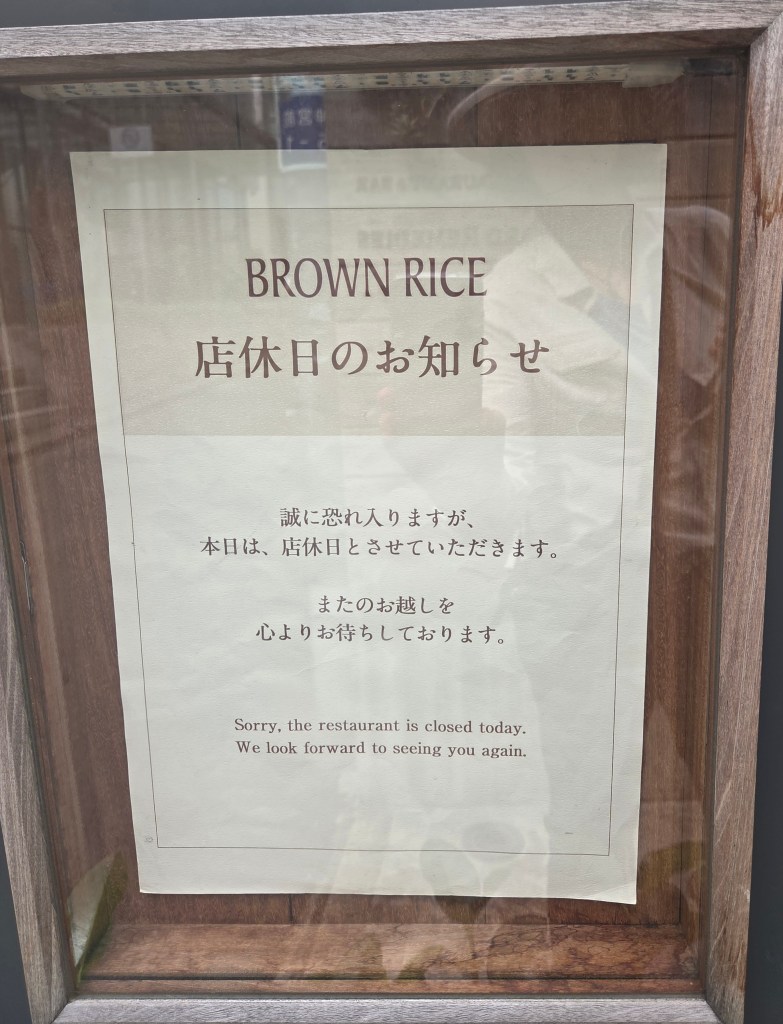
I found some towns/cities more gluten friendly than others. You can see specific notes at the end of this post.
My recommendations if you plan to travel to Japan as a Celiac/gluten intolerant person:
- Bring your digestive enzymes. I carry Glutenease with me at all times and had to use it several times in Japan.
- Bring a supply of GF high-protein bars from home. The only protein bars that you will consistently find in Japan are Soy Joy brand. Even though they aren’t labeled gluten-free, my online research indicates that they are. I ate at least one every day and didn’t react. Some flavors are tastier than others, and they are inexpensive, costing 60 to 90 cents at most grocery stores. (I found Kind Bars in a few convenience stores, too.)
- Of course, fruits and vegetables are safe
- Most packaged nuts seem to be safe. Again, check the labels.
- You can get little single-sized servings of many things at grocery stores, such as salad with only vegetables and single packs of legumes and corn
- Rice noodles and rice crackers might be safe. Read the ingredients carefully!
- Most potato chips are not safe. There tend to be lots of additional ingredients.
- In cities with large department stores, you will find gourmet grocery stores in the basement. At Ginza Six (Tokyo), there was even a health food store in one corner. I stocked up on GF snacks for the trip to Nikko.
You certainly won’t starve in Japan, but you may feel deprived at times. I don’t usually feel sorry for myself when I see others eating gluten-filled goodies, but I admit, there were moments when I did in Japan.
Tokyo
Being one of the World’s largest cities, you will find several gluten-free restaurants with great food, and restaurants that offer gluten-free dishes. Here are the places I visited:
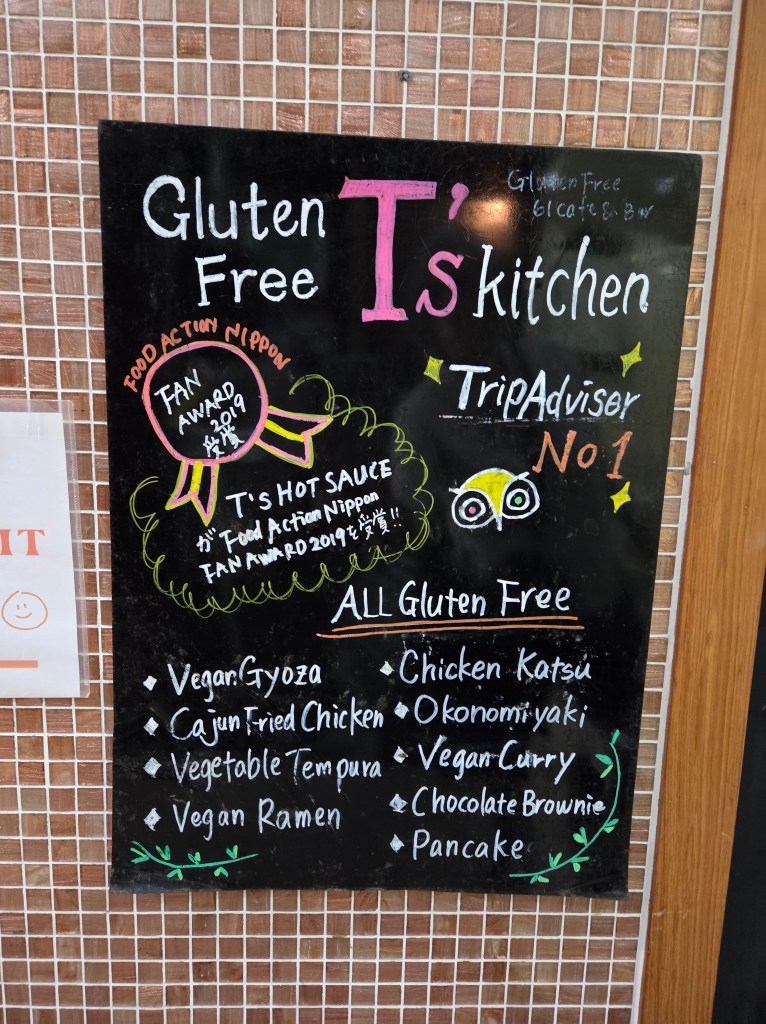
Gluten-Free T’s: Don’t miss it! It is Asia’s first certified gluten-free restaurant. It’s not very big, so you may have to wait for a table. I promise it will be worth it!
Fancl Brown Rice: This restaurant is located in the basement of a cosmetics store in the Ginza district. What a find! It is a serene sit-down restaurant, and you can safely enjoy your meal here.
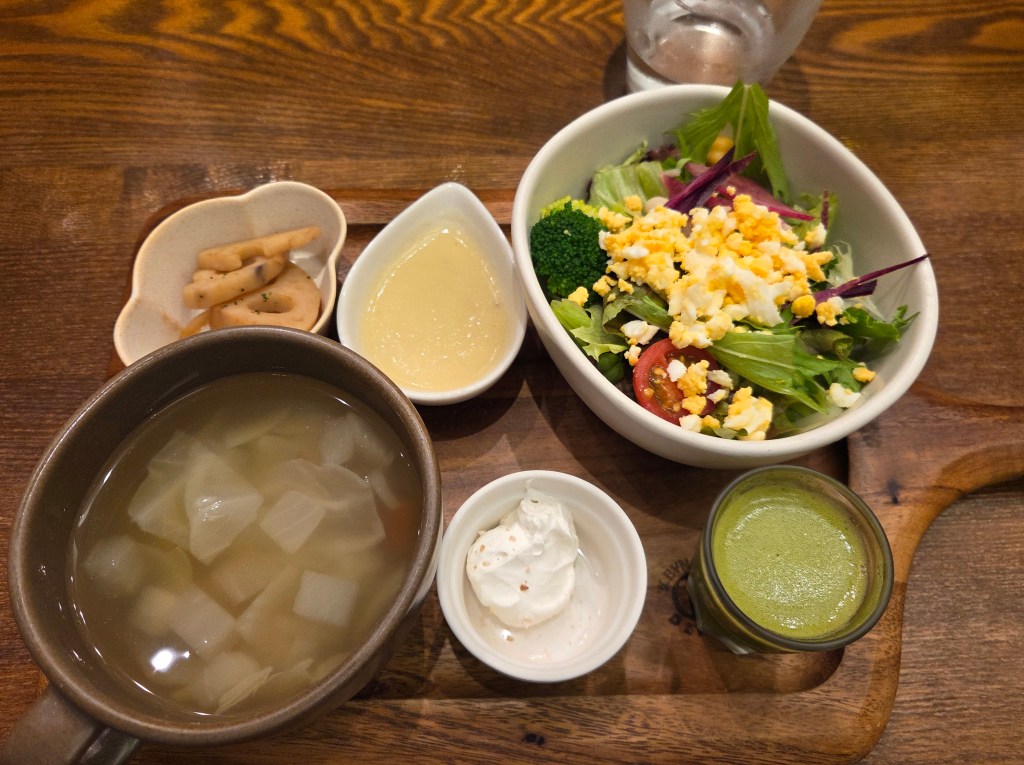
Mr. Farmer: This is a vegan restaurant with some gluten-free offerings. My salad was good, but the tiramisu was amazing! Worth a visit.
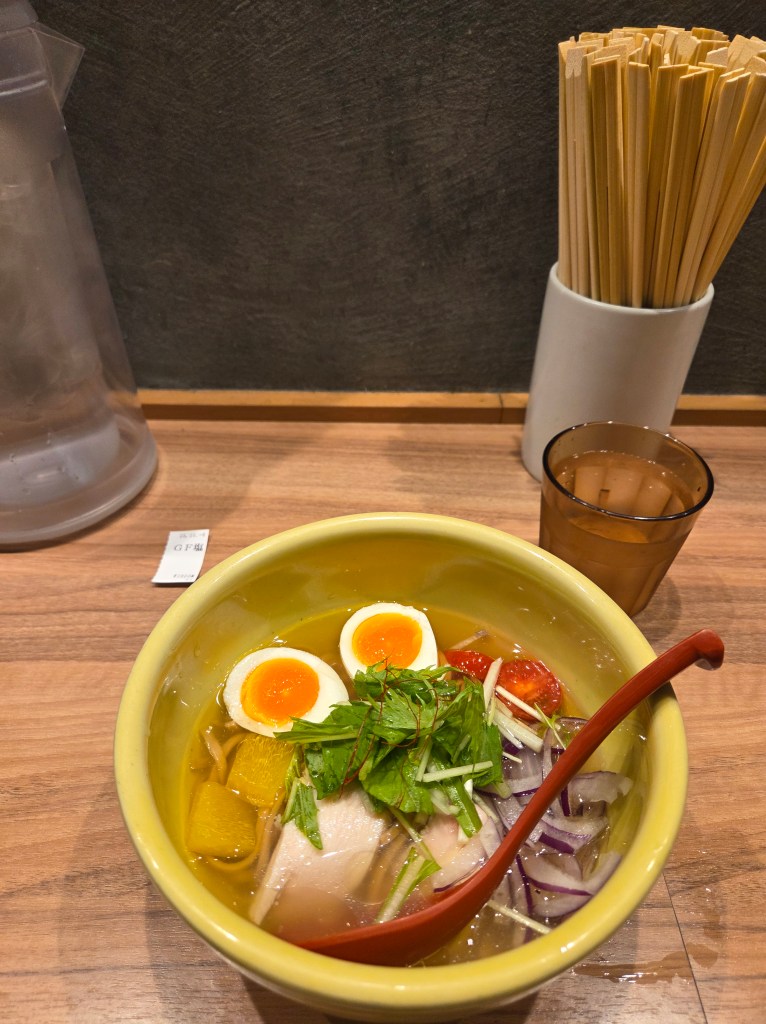
Soranoiro Nippon: Yes, you can have the complete Ramen Street experience in Tokyo Station. When you line up to order, you will see one gluten-free button on the lower right side. It was delicious and good fun!
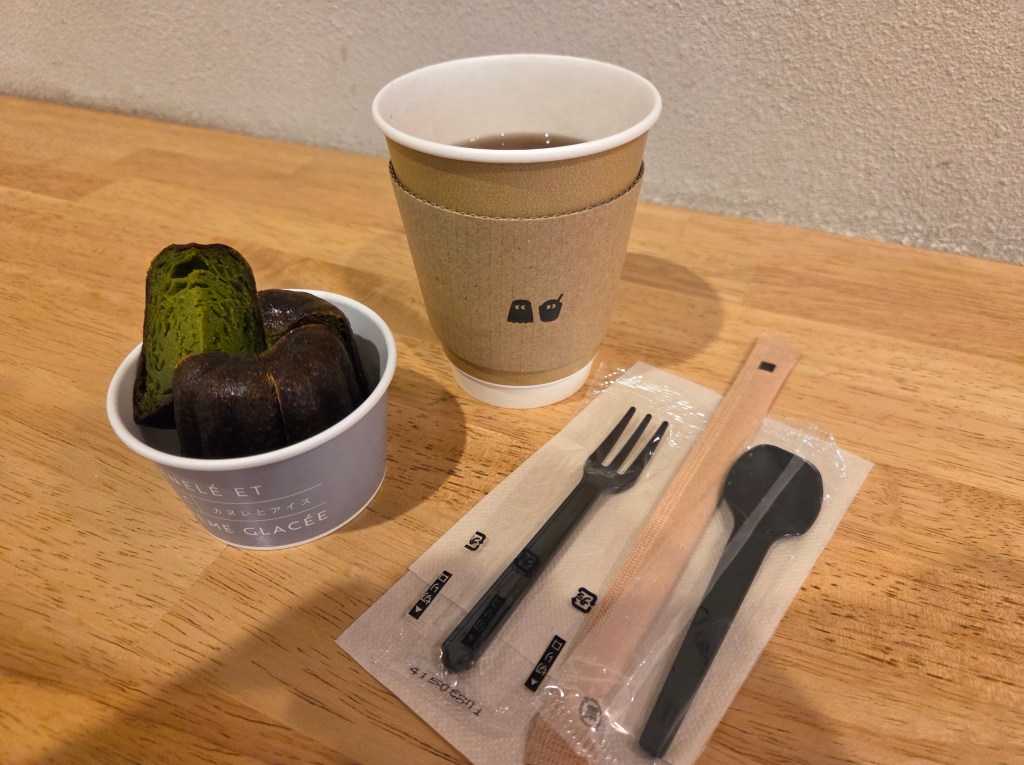
Canele et Creme Glacee: Gluten-free matcha canelle. The Japanese appreciate French goodies.
Avan Gluten Free Cafe: This is a place for a little snack in Ueno Station. It’s tough to find, way up on the fourth floor, but if you like chewy mochi, you will enjoy the mochi churros. They also serve smoothies to round out the treat. Not my favorite, but the father and son who ordered right after me thought it was great.
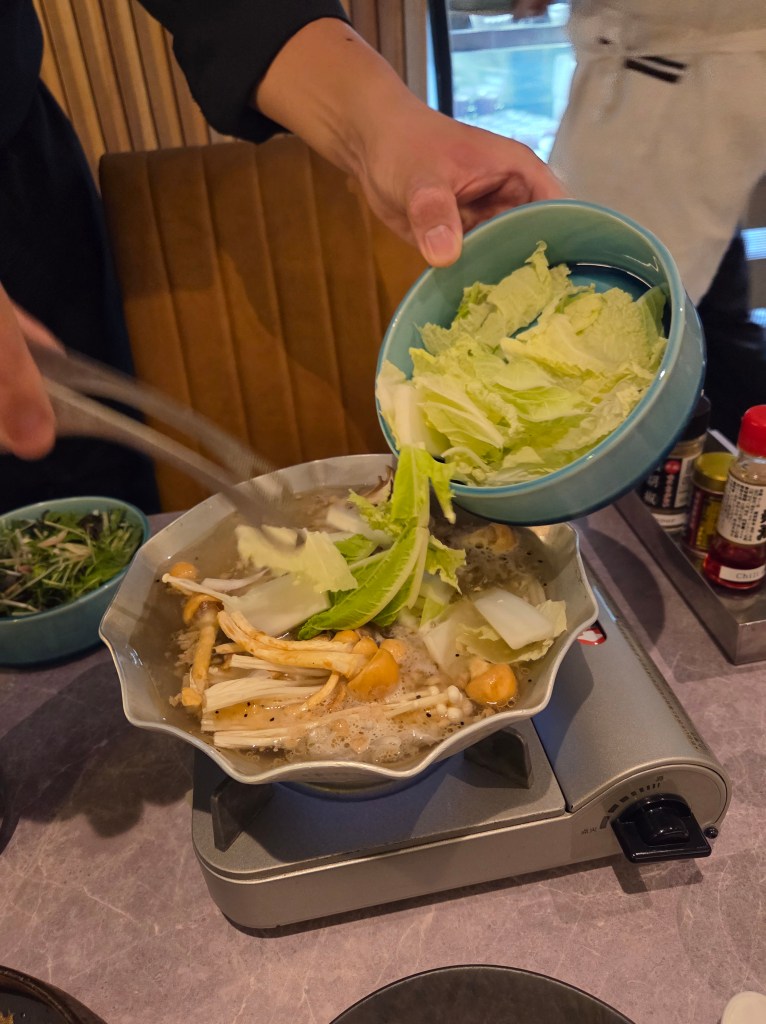
Wagyu Hotpot FOODLAB Tsukiji: I returned to Tokyo for the last 36 hours before flying home. I was fortunate to book a hotel withing walking distance of this restaurant. I was oh-so-happy to experience shabu shabu!
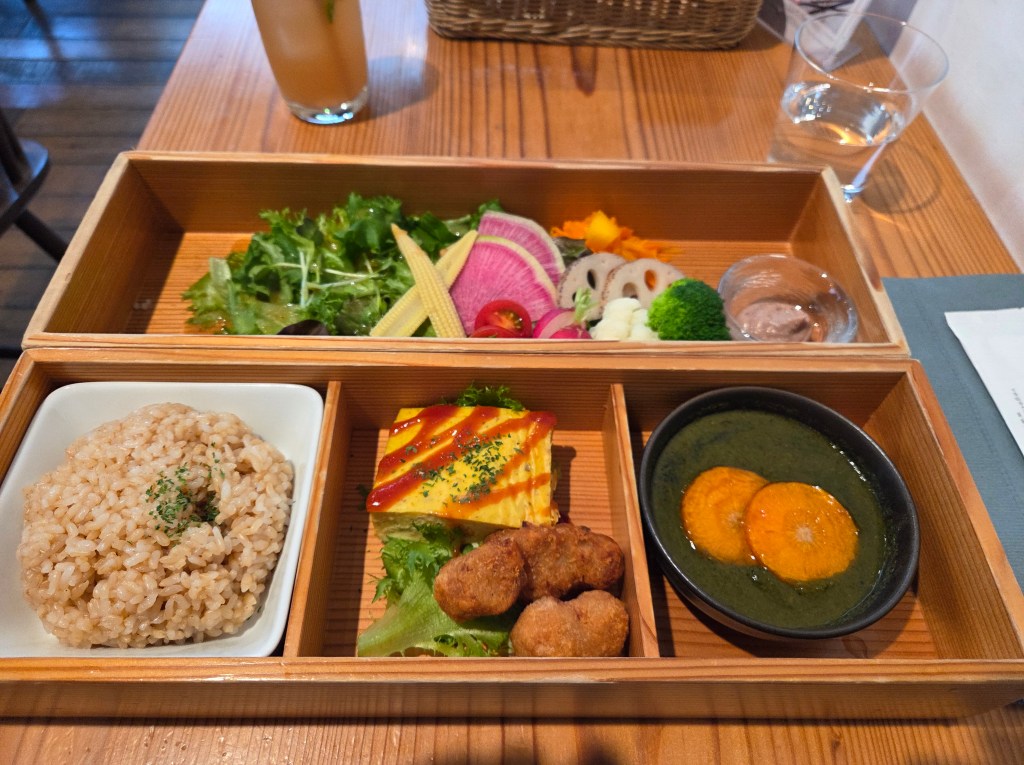
Ain Soph. Ginza: My last meal in Japan! I had lunch at this magnificent vegan restaurant that serves many gluten-free dishes. I ordered the bento box lunch with a craft ginger ale. Amazing!
Nikko
Honestly, I didn’t find much in Nikko. There was a restaurant and at least one café that offered gluten-free food. At the restaurant, the line was long, and I was feeling impatient. I stayed at a small family-owned inn, and the owner made a special dinner for me one night. Otherwise, I survived on food from the grocery store.
Matsumoto
There are a few restaurants with gluten-free food. This was a location where I had a kitchenette, so I prepared my own dinners and some lunches.
Doon Shokudo Indoyama: The owners were very careful about preparing a gluten-free meal for me, and it was delicious. Yes, curry, but I felt safe eating there, and enjoyed conversing with the owners.
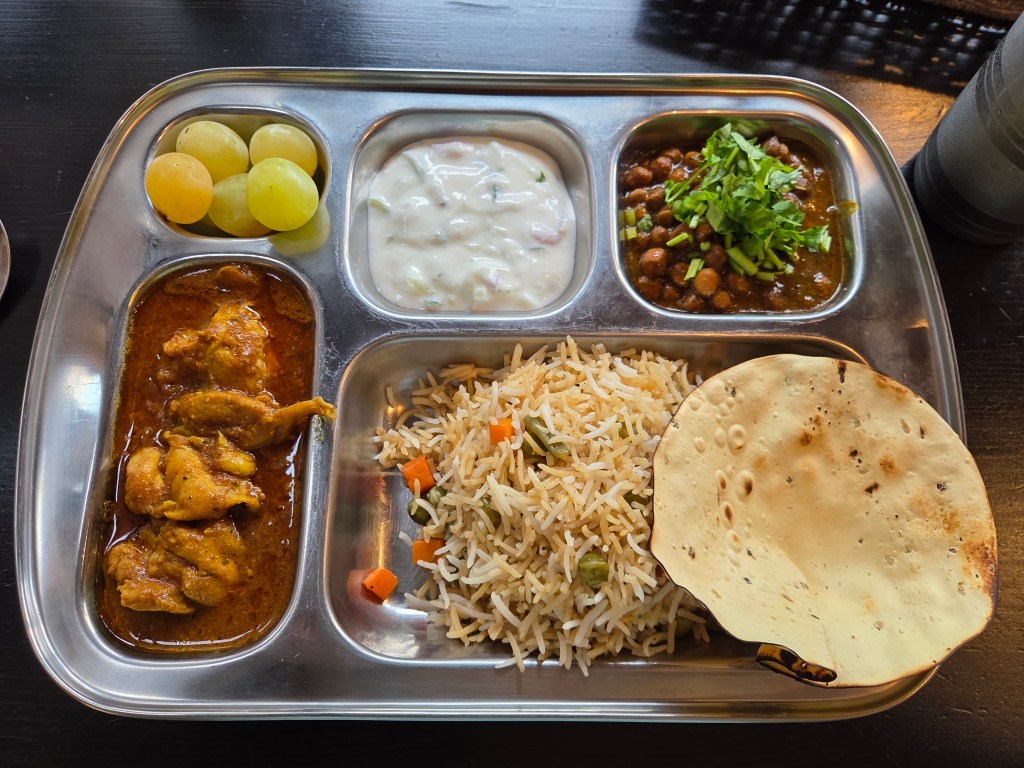
Mount Desert Island Ice Cream: This is an ice cream shop with unique gourmet flavors. You will find allergen labels, and it is really good ice cream! I went twice. It’s conveniently located on Nawate Shopping Street, too!
Takayama
For a small city there are a surprising number of restaurants offering gluten-free food. Some are high-end, and you may need reservations to get in. Unfortunately, I missed those.
Lighthouse Tea Room: Cute little place close to the Takayama Castle Ruins. The owner speaks English well and is a former dietician. She lived in Germany and knows her stuff. She is also an amazing baker! I went back a second time for a slice of her amazing apple cake. I also had an open-faced egg salad sandwich on rice bread. Delicious and not to be missed.

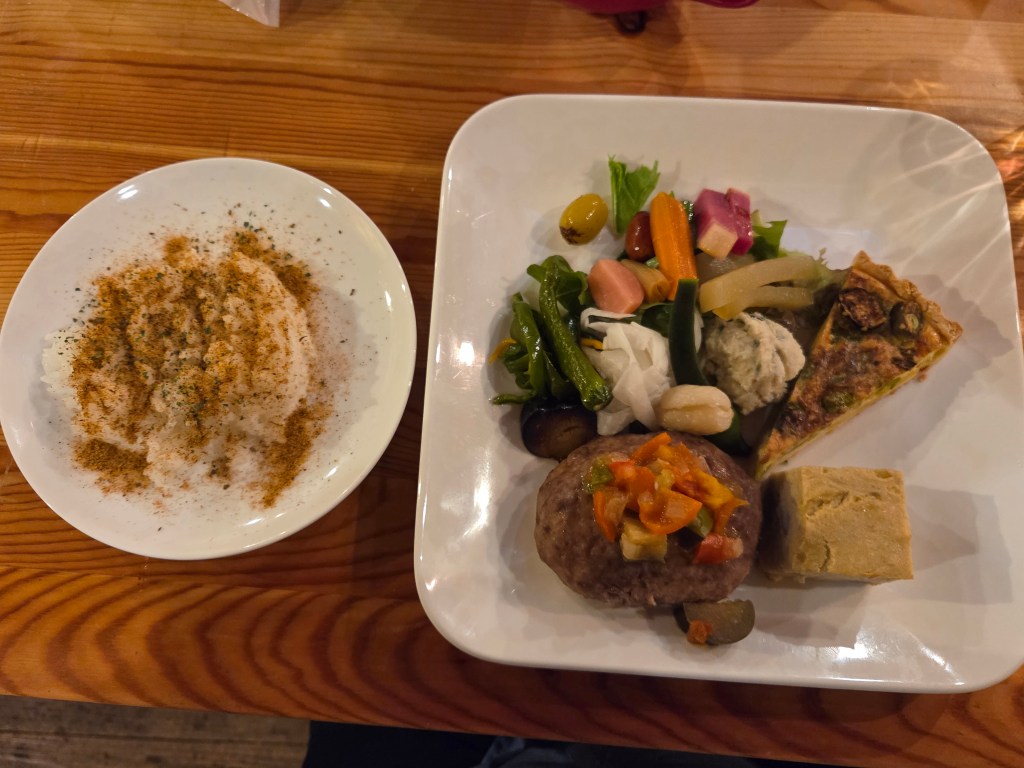
Cha Mame Cafe: Several gluten-free options and another very kind restaurant owner. Order the daily plate special for lunch, and you won’t be disappointed! It was the most amazing meal that I had up to the point of the trip. I returned another day for pho and didn’t like it quite as much.
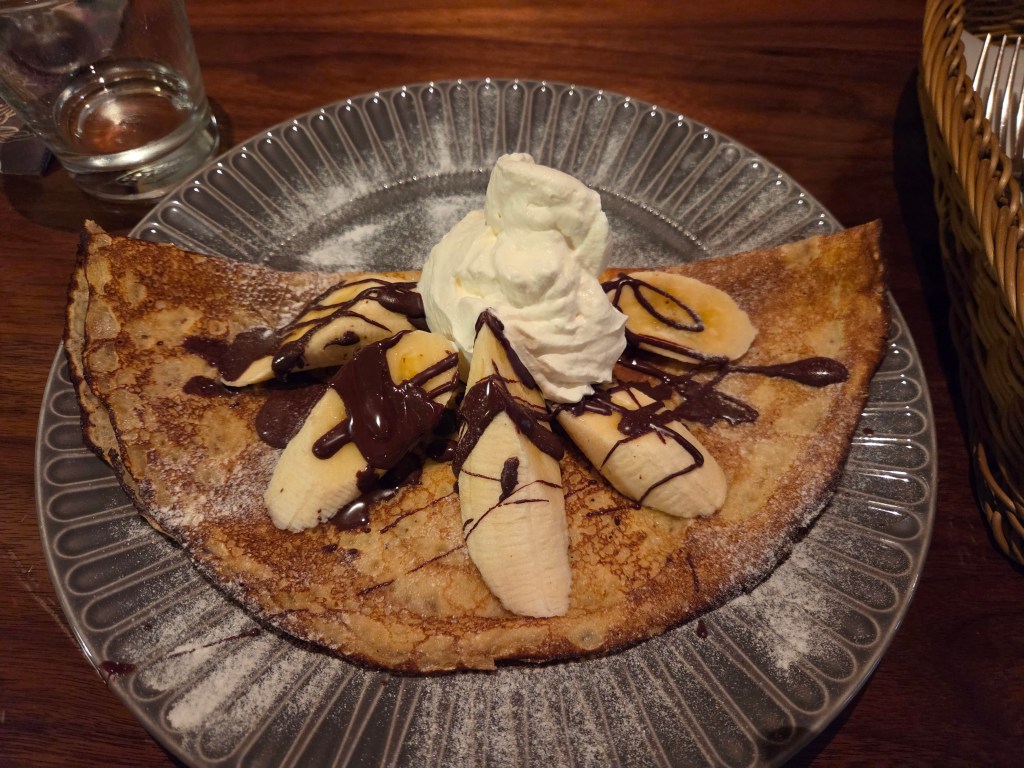
Fukyuan: Located in the historic district of Takayama, you will probably need Google maps to find this one. The gluten-free offerings are spectacular crepes. I had a chocolate-banana one with whipped cream. Absolutely delicious! The atmosphere of the historic building makes the visit worthwhile, too.
Royal Nan House: More curry but quite good! They also speak English.
At the Miyagawa morning market you can find freshly made squares, much like a marshmallow, for 150 yen each. Fun idea and it made me feel like I was participating in the market.

Hida-Furukawa
This is a small town, a short distance by train from Takayama. My first day in Takayama, I happened to meet Kate, who is putting together a gluten-free Hida project. Be sure to check the website before you go to The Hida area: eateasyjapan.com
Shirakawa-go
This is a UNESCO Heritage site of Gassho houses. Hopefully, it’s on your itinerary because it’s not to be missed.
Restaurant Irori: Here you can get a complete Japanese meal with Hida beef. It was rather bland, but you can use the GF soy sauce to make it a little more exciting.
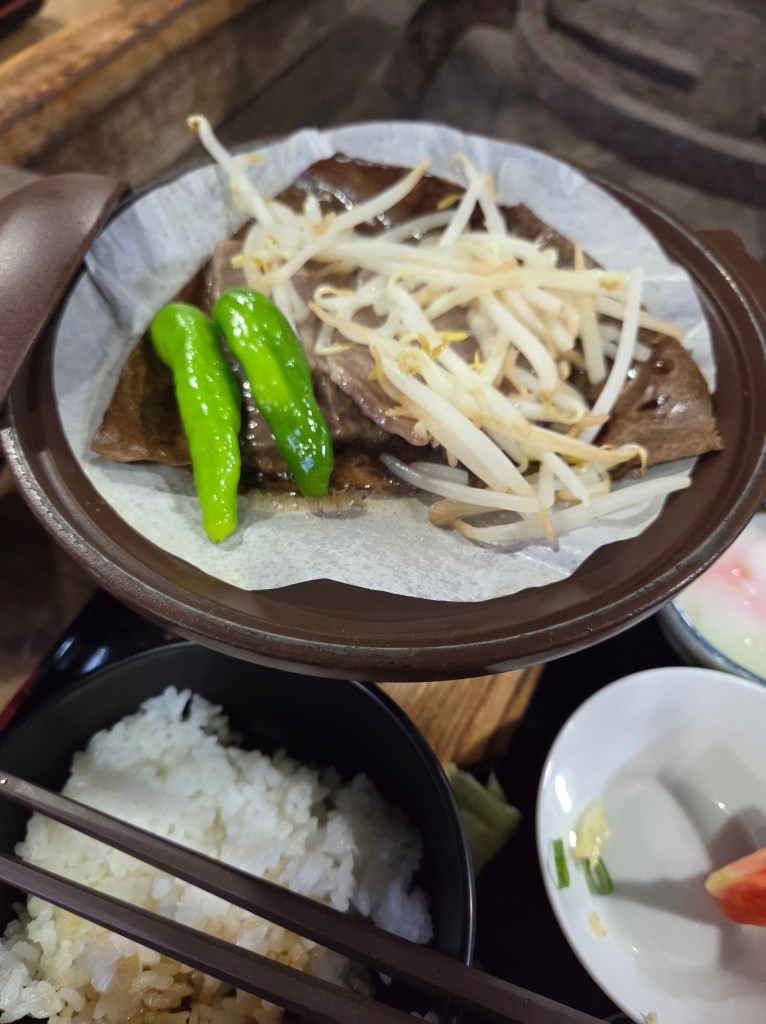
(Egaoya Café is highly rated and offers gluten-free desserts but wasn’t open the day I was in town.)
Kanazawa
Such a nice surprise! Located near the Sea of Japan, Kanazawa has that perfect mix of historic sights and modern attractions. Definitely worth a two-to-four-night stay on your Japan itinerary. Accommodations here are less expensive, too. I stayed at Tokyu Stay in an extra-large room with a kitchenette for $108 USD/night.
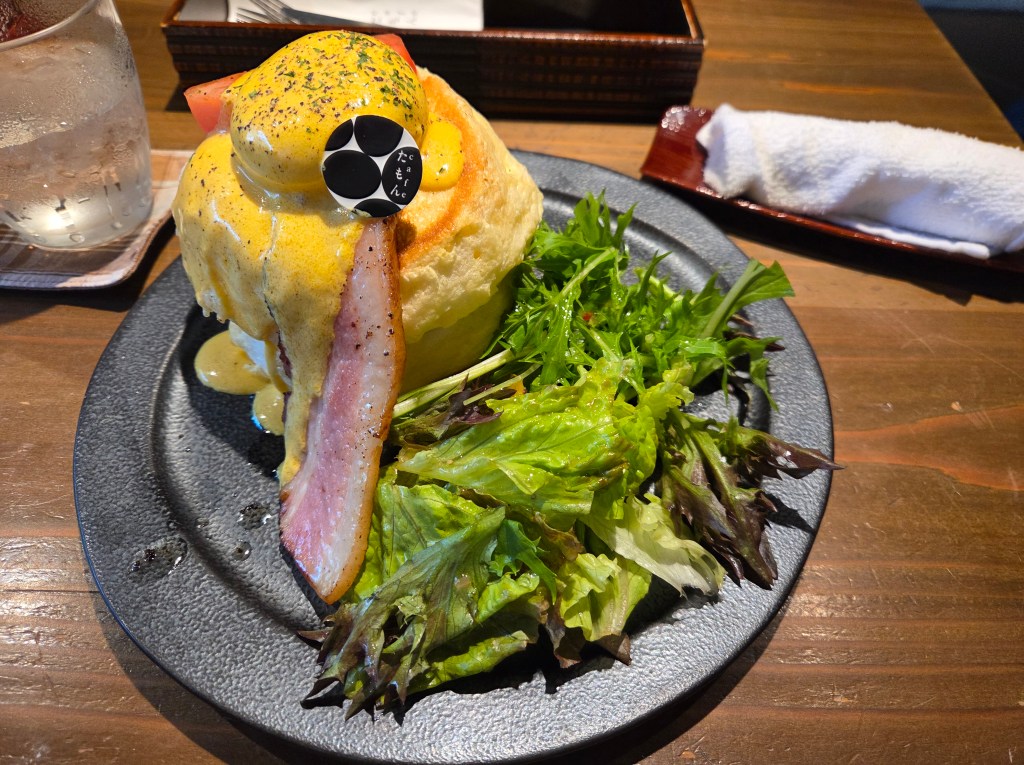
Café Tamon: This one comes up first on Find Me Gluten-Free for a reason. It’s a fun place to eat. You may have to wait for a table, but it will be worth your time to try their delicious fluffy pancakes. I had a clear view of the open kitchen, which enhanced the experience. I ordered eggs Benedict. It was yummy, but not very filling.
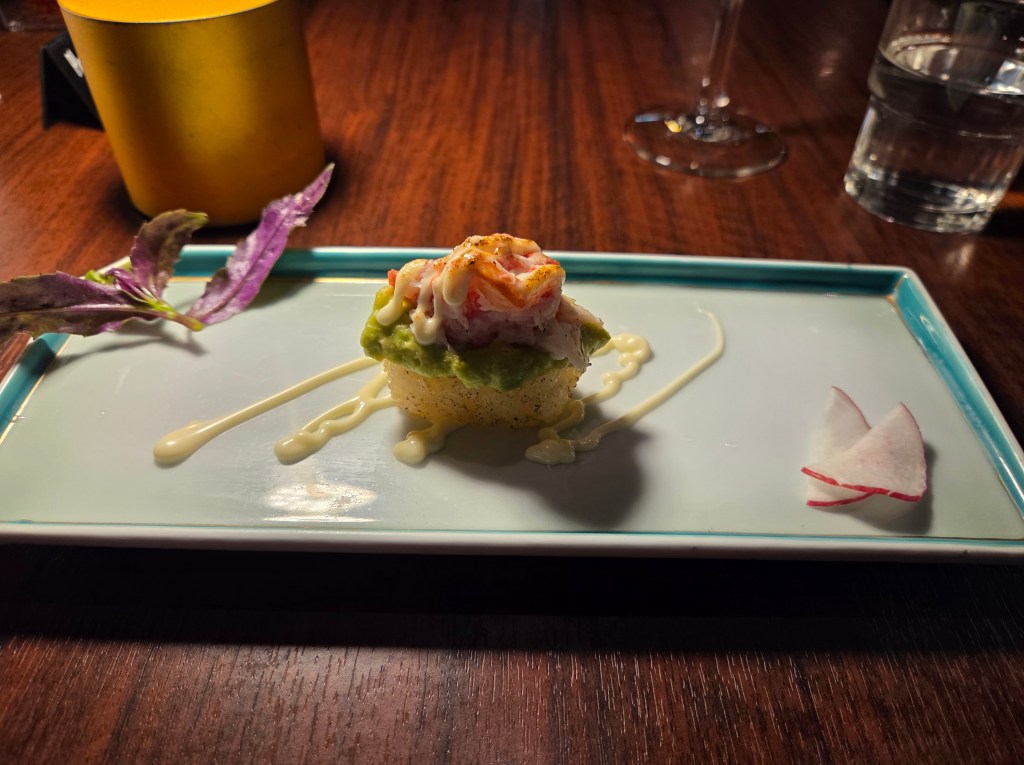
Love For All: I have mixed feelings about this restaurant. First, it felt like a safe place to eat. They are conscientious about gluten-free and vegan food (although they do offer dishes with seafood). If you want to go for dinner, it’s best to stop by in advance to make a reservation. They are open 1:00-3:00 for lunch and serve drinks until 5:00 pm. Then they close for an hour to get ready for dinner. If you have a reservation, you can walk in at 6:00. I indulged in the six-course seafood dinner. It was pricey for Japan, but worth it for the experience. They also require you to order a drink with your meal, which jacks up the price a bit. You can order ala cart and save some money. Lunch is also less expensive.
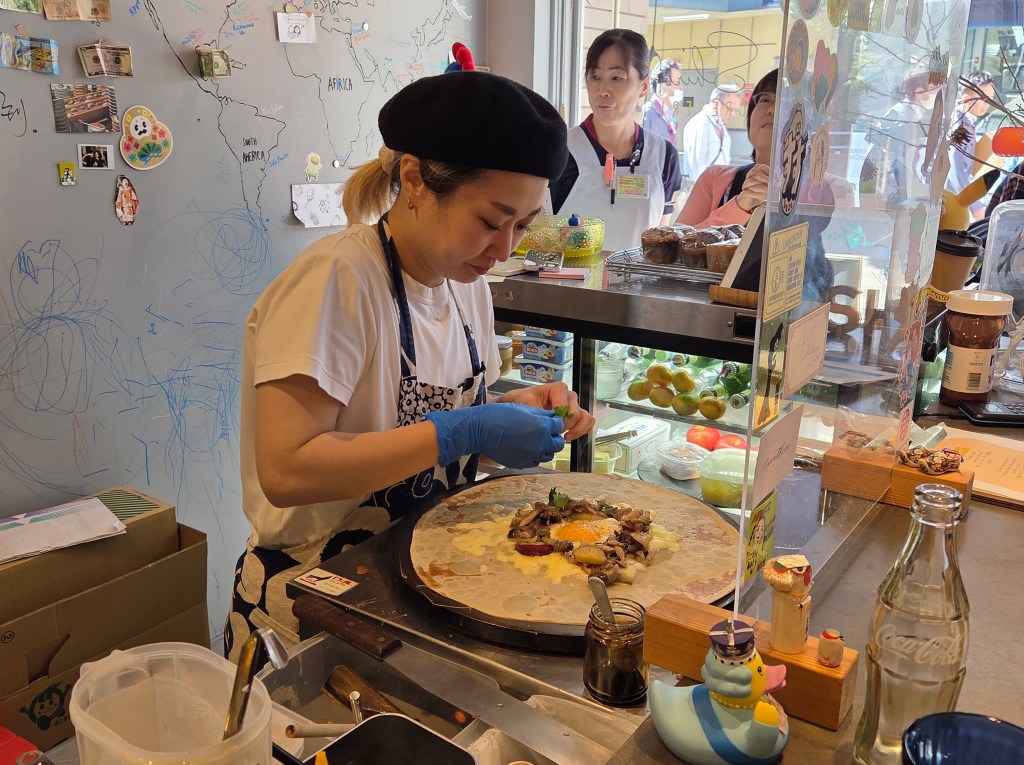
Shirom Creperie: This one isn’t just for sweets. You can get yummy savory crepes for lunch here, too. I sat at the counter and watched to amazing one-woman crepe-making show. A fellow celiac sat next to me, and we compared notes. She also recommended PickPHO and Fuwari.
Kyoto:
Yay for Kyoto! There were so many gluten-free restaurants that I didn’t have time to visit them all.
Kyoto Engine Ramen: Bring your appetite because they serve up one big, filling bowl of ramen! I had the number one, zesty ramen. Wow! It was delicious, and I was stuffed.
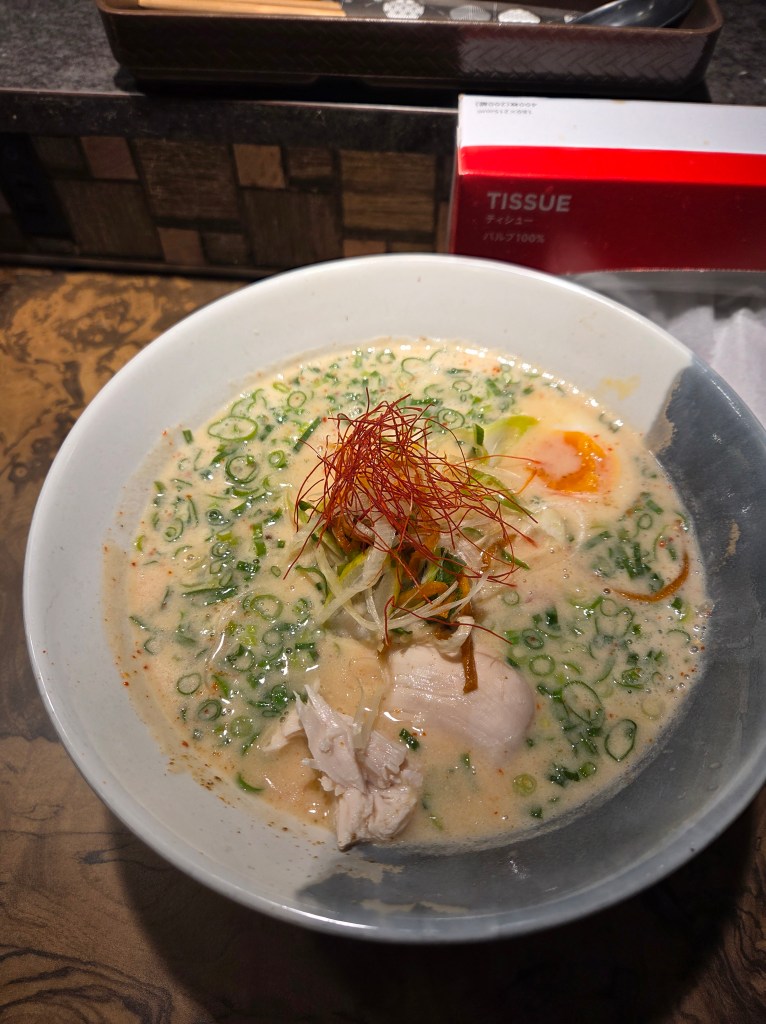
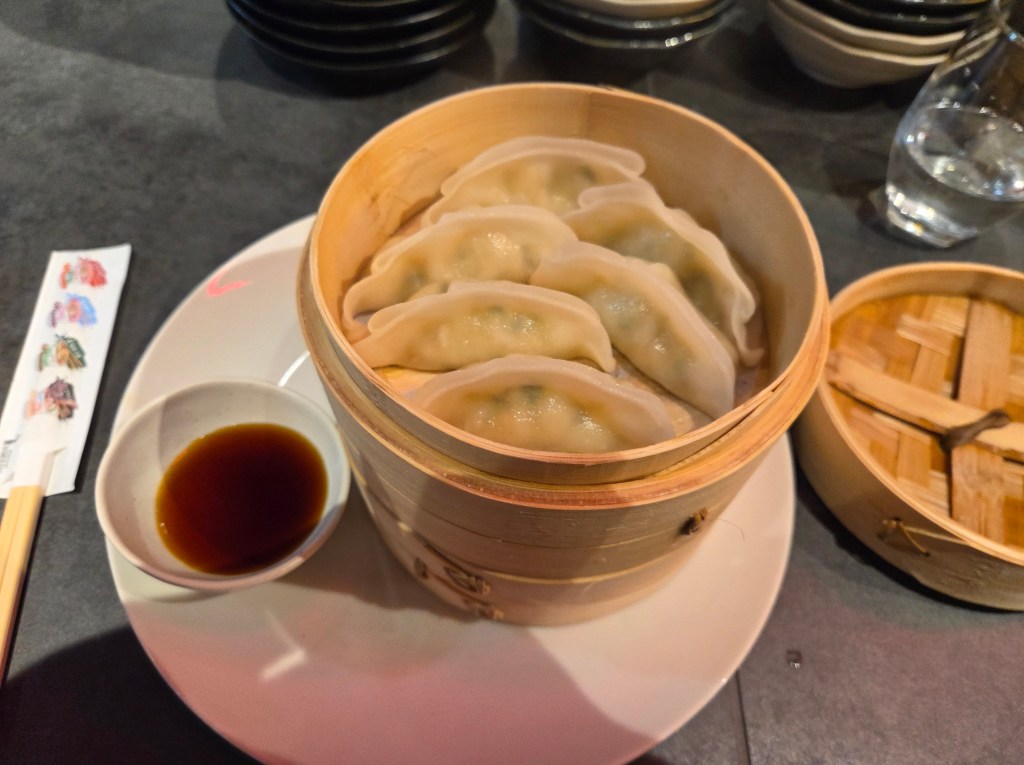
Nishiki Market Alley by MOON and BACK: This place had an extensive gluten-free menu. On the first visit, I ordered the ramen. A few days later, I went back to try some other dishes, including gyoza and fried chicken. What a treat!
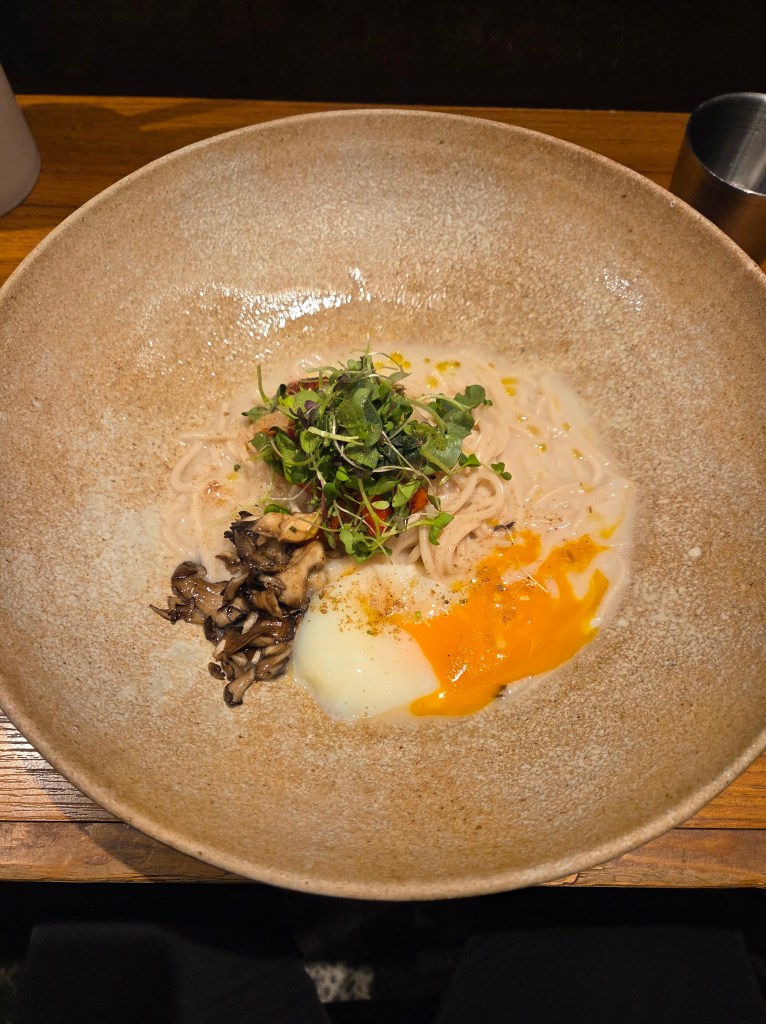
CHOICE: Vegan and 100% gluten-free! I ordered pizza and salad for lunch. My advice is to not expect to be exactly like the pizza you know, and you will enjoy the meal. The crust was phenomenal!

Café Planet: This restaurant was close to my hotel, so I lunched there twice. Like Choice, it is gluten-free and vegan. The food was good but not great. On my first visit I had the pasta lunch and the second time I had the vegan burger. The bun was great, but the filling squished out when I bit it. Not great. Really cute, bright restaurant, popular with the computer and coffee crowd.
Japanese Mazemen Maruta: This place was down the street from my hotel and offered one gluten-free ramen. It was complex, gourmet miso ramen. I sat at the counter and watched the cooking process. They took great care to ensure that there was no cross contamination.
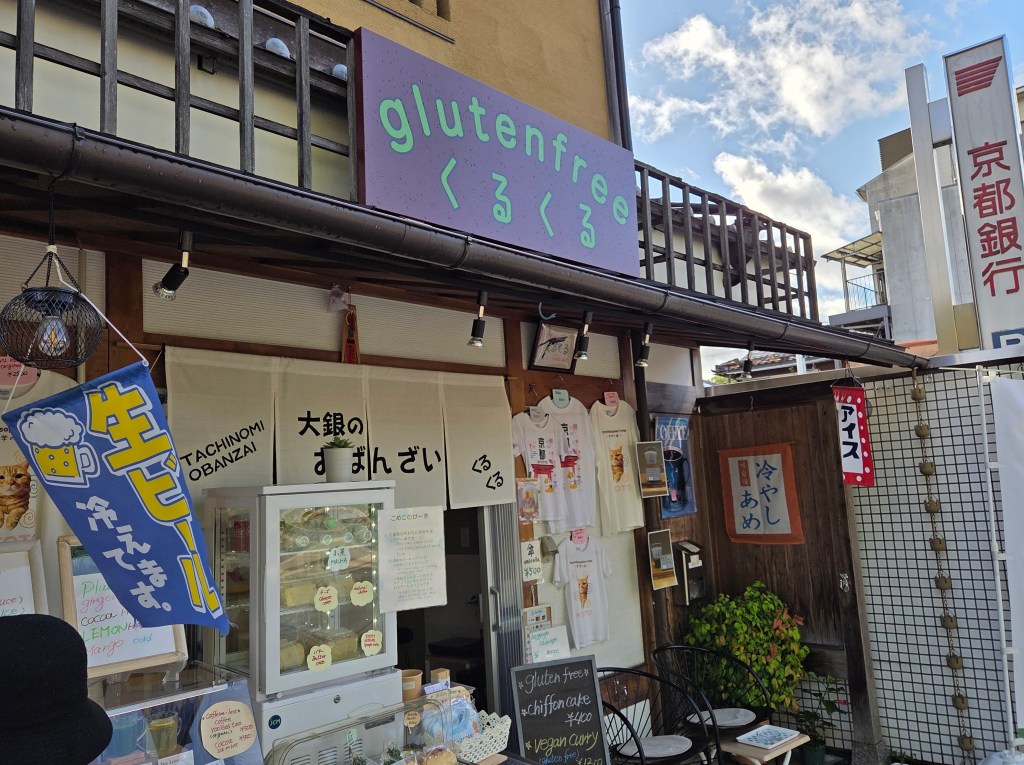
Kuru Kuru: This little café is located near the north end of Philosopher’s Path. I had the curry because I wasn’t in the mood for pizza that day. It was just okay. The highlight was the gluten-free chiffon cake. Oh my, was it delicious! I took some to go.
Ramen Kazu: A standard ramen place that offered two choices of gluten-free ramen. It was just down the street from Kinkaku-ji (The Golden Temple), and I was hungry. The ramen was simple and decent but nothing to go out of your way for.
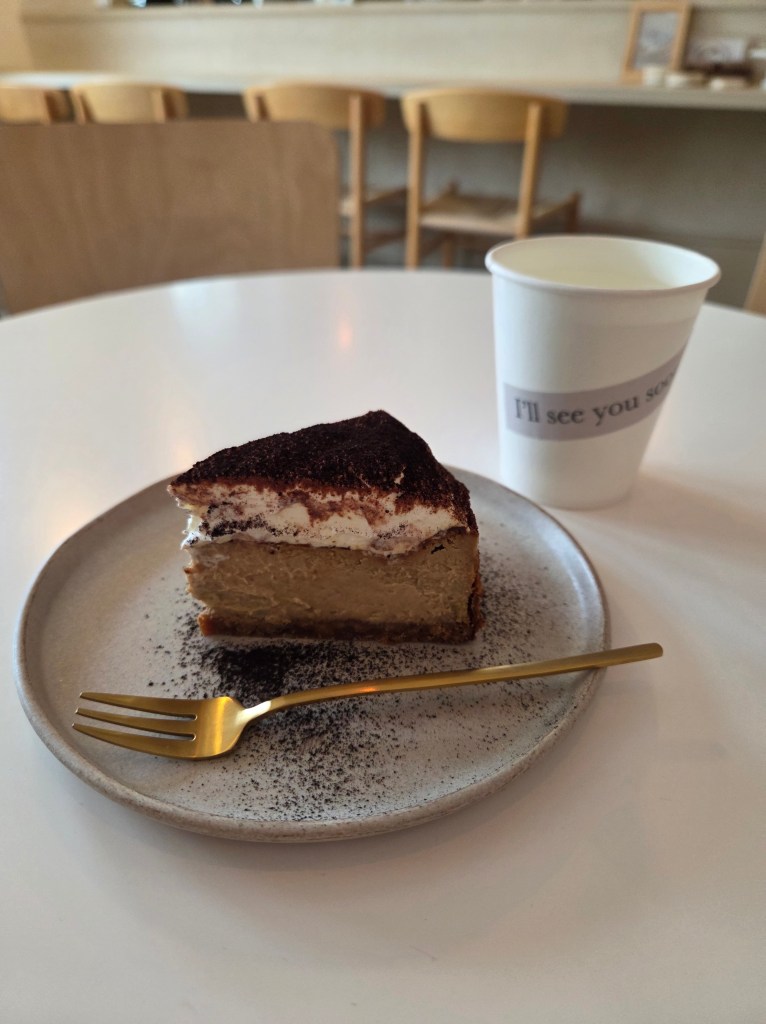
I’ll See you Soon: This cute little café caught my eye as I was walking between Kinkaku-ji and Ryoan-ji. The offerings include upscale coffee drinks and a few gluten-free desserts. I had the Tiramisu Basque Cheesecake and went to heaven. It was amazing! Be sure to stop there if you are in Kyoto!
Yes, you can be gluten free in Japan! Take some time to plan your itinerary, and please feel free to send me a message if you have any questions or comments. Happy travels!
 Wandering Shannon