
I recently took a 38-day solo trip through central Japan. This was an itinerary I had put off for some time. Honestly, I knew it would be a little out of my comfort zone, and it fell lower on my list than other places. Europe, Australia, and New Zealand were easier.
But as I was traveling in Europe last spring, Japan kept coming up in conversations with fellow travelers. People were raving about cheap airfares and the natural beauty of the country. One person, knowing my love of hiking, urged me to go. How could I not consider it?
Then, a family member had to change her travel plans, and I was no longer obligated to dog sit for her in October. I could head straight there after cat sitting in Hawaii for two weeks. Everything pointed to Japan—it was time.
Even though I live this crazy, fluid nomadic life, I am a planner at heart. I book most of my accommodations far in advance. This time, I was on a tighter timeline. Finding places to stay, within my budget, was challenging. October and November are popular months for travel in Japan. The weather has cooled, and that beautiful autumn color is coming on.
Unlike people who go on vacation for a week or two, I am a traveler, going at a slower pace. I like to stay at least five days in each destination. Some of my nomad friends stay as long as a month in a place.
I decided to focus on central Japan. My trip to Australia and New Zealand last year involved too many flights for my taste. I wanted this one to be simpler.
First stop: Tokyo (Six Nights)
My flight was from Honolulu to Haneda. From what I read online, Haneda was the preferred airport with easier access to the city center. This proved to be true.
Since my flight arrived late at night (10:00 pm), I booked a hotel near the airport in case of delays and because I knew I would be exhausted.
The hotel was perfect: nice, clean room for one, onsen (community bath) in the hotel, and breakfast included.
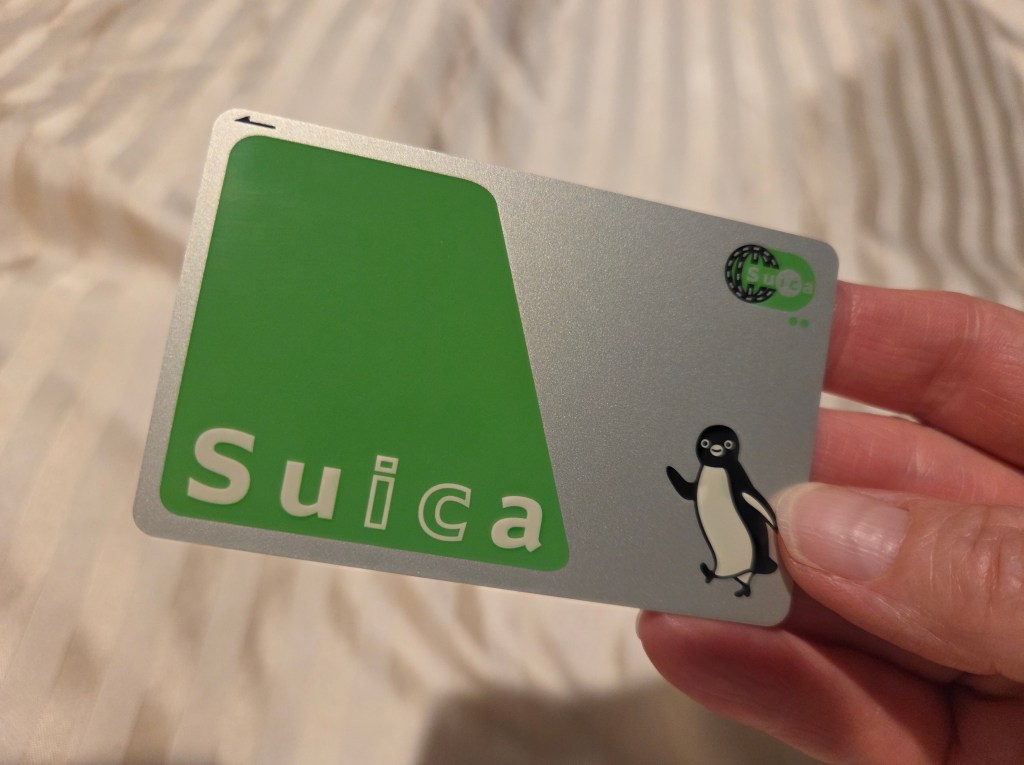
The next morning, I caught the hotel shuttle back to Terminal Two at Haneda Airport. This is the place to buy a real Suica Card, not the tourist one. You load it with cash to use on public transportation in Japan. Much easier than fumbling for change on a bus, subway, or train. You can even use it for purchases at convenience stores like 7-Eleven and some vending machines.
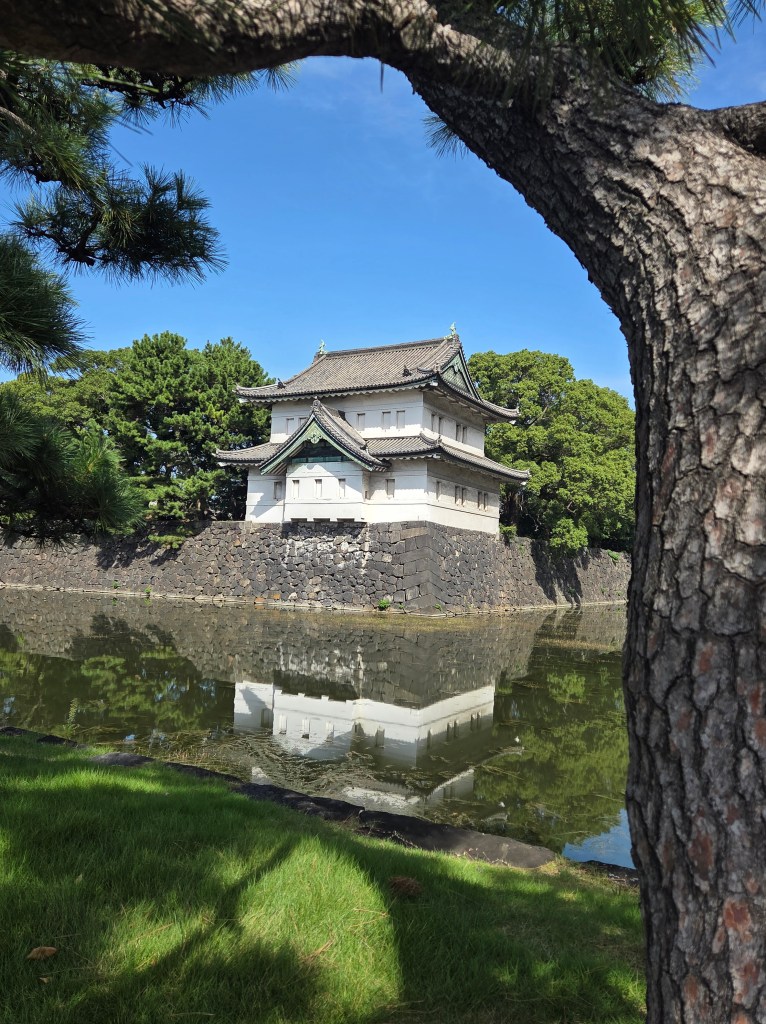
I stayed in Tokyo five more nights in the Harumi Flag neighborhood. It was enough time to take in the primary sights on my list. Could I have stayed longer? Yes! I’m sure that I could easily keep myself occupied in Tokyo for a month.
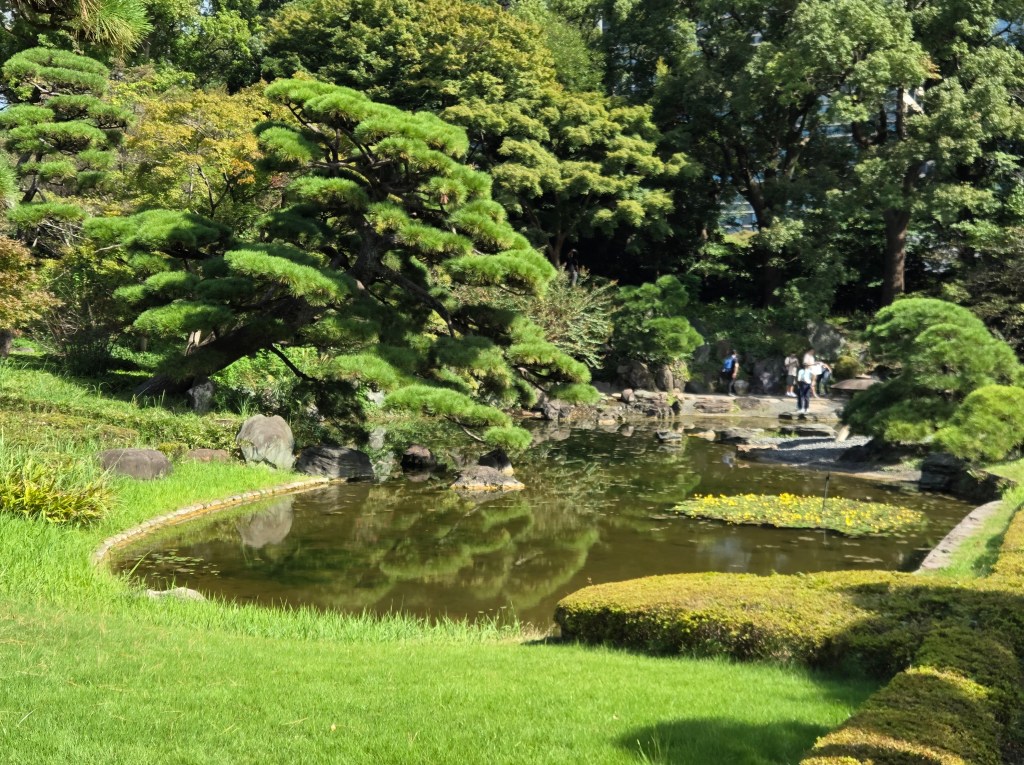
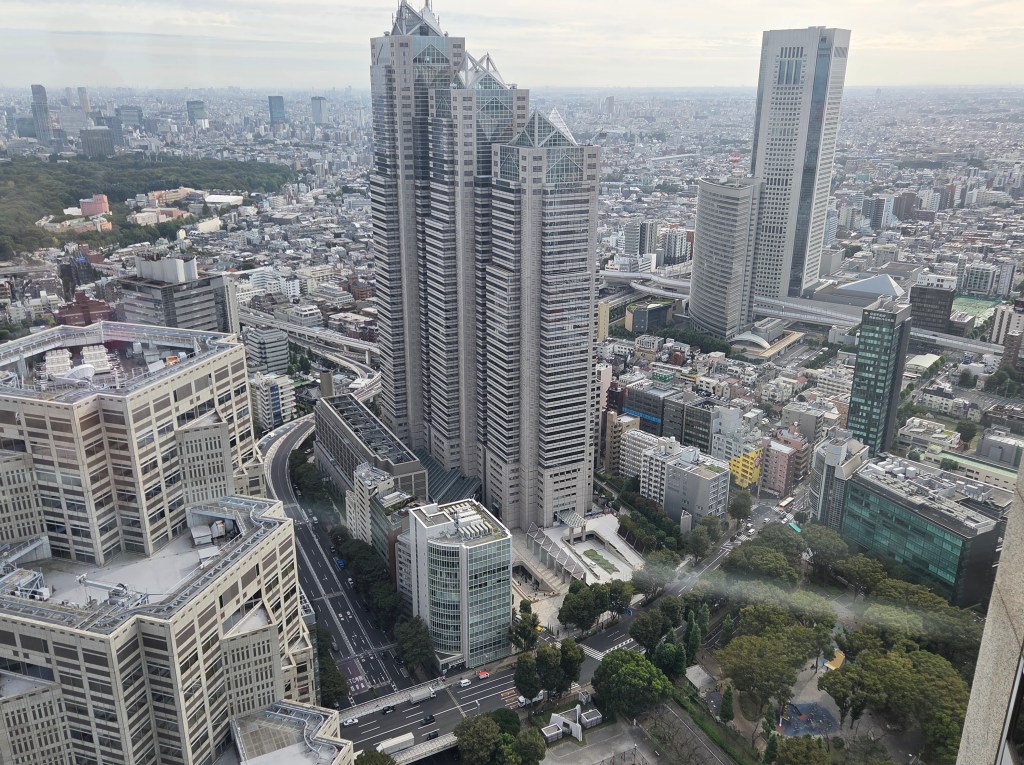
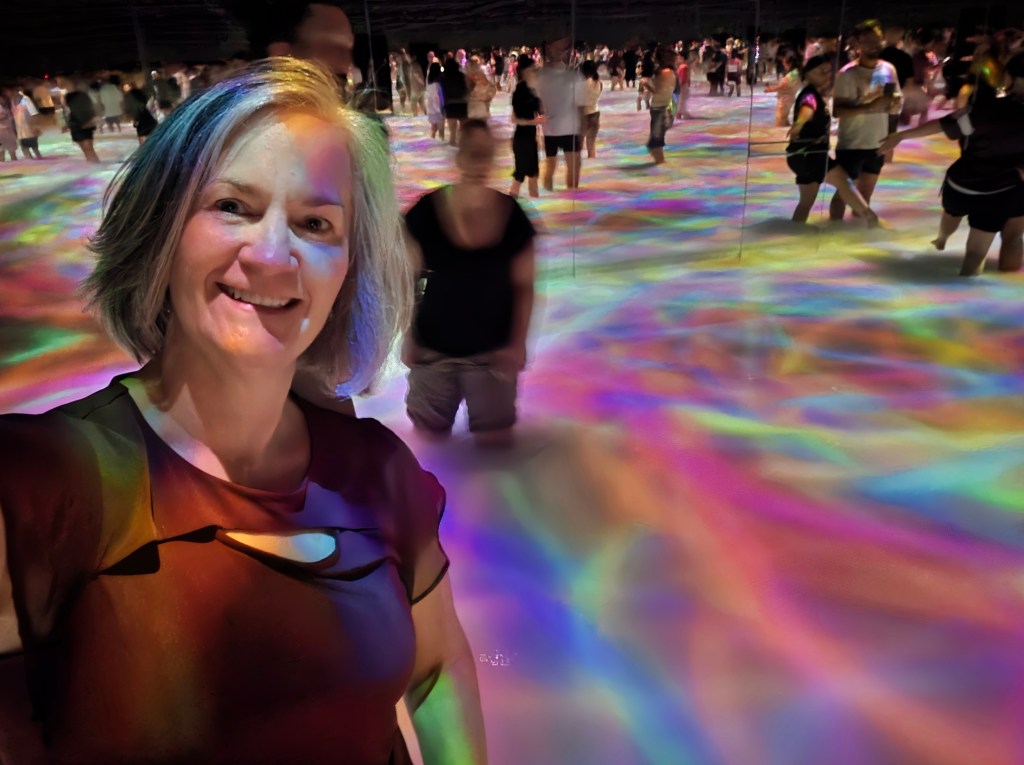
Tokyo highlights: Tokyo Metropolitan Government Building for a no-cost high-rise view of the city; Team Lab Planets (Make a reservation online well in advance.); Imperial Palace and East Garden; Meiji Jingu Shrine and Garden
Nikko (Three nights)
I didn’t want to miss this spectacular UNESCO World Heritage Site, just 150 kilometers north of Tokyo.
Warning: Accommodations are expensive in Nikko. It’s a popular destination and not all that big. The best thing that I could find within a reasonable budget was a family-owned pension a mile or so outside of town. My room was tired and dated and the hallway carpet smelled. But it was worth it to be able to explore Nikko and the surrounding area. And my hosts were lovely.
If you are like me and you don’t like to drive in foreign countries, the good news is that there are buses in Nikko to transport you to the local sights. The bus station is right across the street from the main train station, and the bus routes are clearly marked for tourists. You can pay in cash or with your Suica Card.
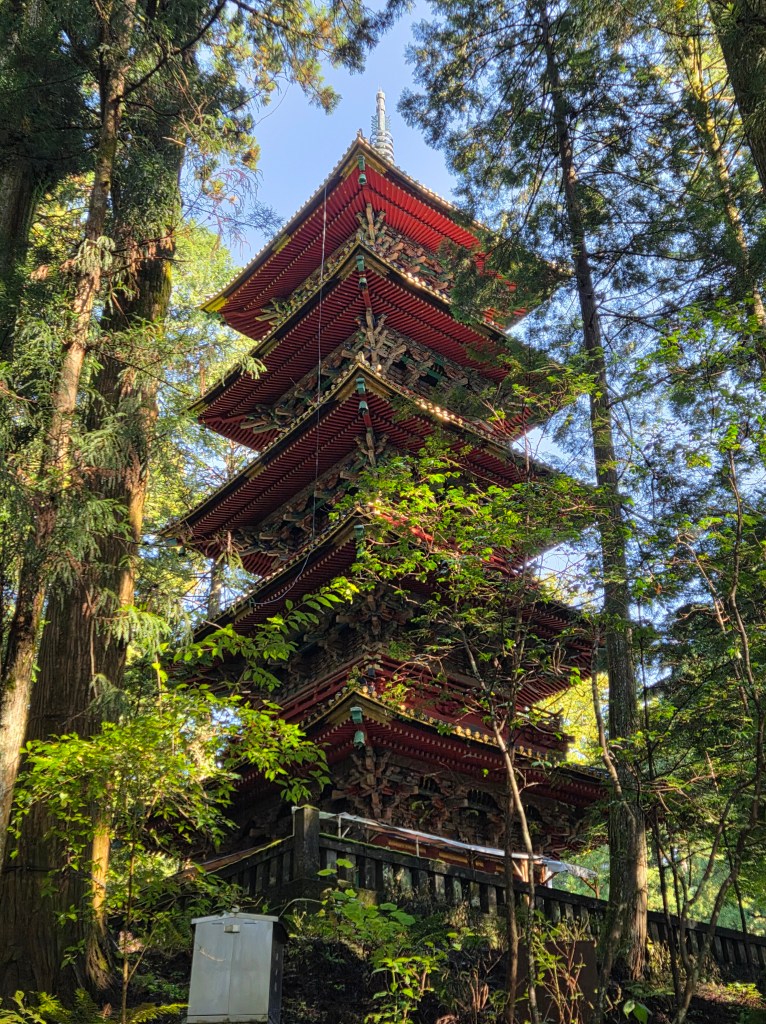
I spent the first day walking around the main temple sites in Nikko. The local walking map that I used had two main routes. I chose the Takino Path. If you have the energy, be sure to go all the way to the top. You will find it’s much quieter up there with fewer tourists, and there are numerous interesting sights along the way.
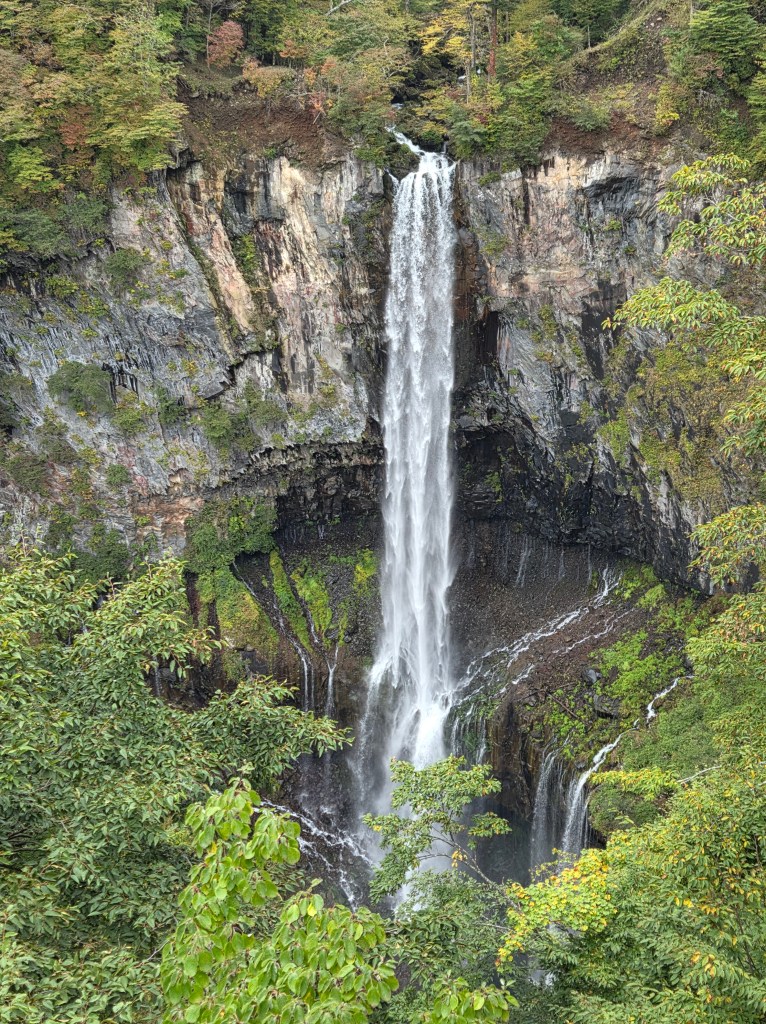
The second day, I took the bus to Kegon Falls and Lake Chuzenji. On the way back to Nikko, I got off the bus and walked to Yashio-no-yu Onsen. From there, I was able to walk part of the Kanman Path back to town.
I wish I had taken one more day in Nikko. I wasn’t able to see everything in the two full days that I was there.
Matsumoto (Seven nights)
I booked a longer stay in Matsumoto because I knew I would be taking day trips from there. I would have been okay with five or six nights, but it was nice to slow down a bit after the busy days in Tokyo and Nikko.
Matsumoto is a small city near the Japanese Alps. It’s the home of the famous Matsumoto Castle and is the birthplace of Yayoi Kusama, the artist known internationally for her large, vibrant creations. The train station is clean and new with the bus station out front. The people working at tourist information in the train station are very helpful. Be sure to stop there when you get off the train.


There are several museums, large and small. Don’t miss the City Art Museum and Kaichi School. There are some gems like Nawate Shopping Street, City Art Museum, and Alps City Park. Accommodations are reasonably priced. I stayed in a nice modern hotel with a kitchenette just three blocks from the train station.
Day trips from Matsumoto
Azumino: You can reach Azumino by trainin under half an hour. Be sure to go on a nice day, if possible, because you will be renting a bike to see the town. The local tourism agency has smartly created a map with bike routes. You can rent a bike from your pick of a few shops near the train station for just 200 yen/hour. (Four hours cost $5.30 US.) Then, it is off on two wheels through the rice paddies and along the river to the Wasabi Farm and other local sights. If you enjoy sculptures, don’t miss the Rokukan Art Museum.

Kamikochi: This is the location in Chubu Sangaku National Park that you must see. You can get there by bus, or bus and train combination. When you arrive in Matsumoto, head straight to the bus station (visible across from the train station) to reserve your round-trip tickets. Or you can prebook online.
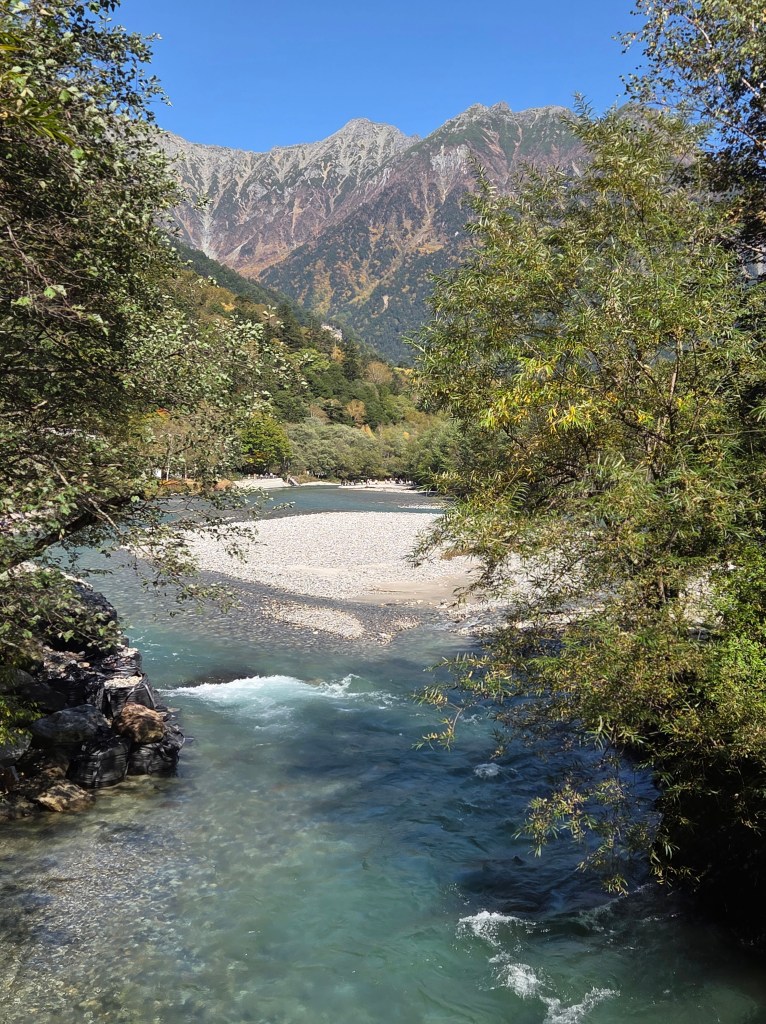
The bus ride up to Kamikochi is thrilling, to say the least. If you are on the left side of the bus, you seem to get more of the straight-down-OMG views. If you are a walker, get off the bus at Tashio Pond to walk through the park. Otherwise, get off at the main bus station in the park. The visit was a highlight of my trip. I walked about eight miles that day.
Torii Pass Hike:
Take the train from Matsumoto to Yabuhara. From there, you will hike up and over Torii Pass on an ancient path to Narai, a town with a nationally designated historic district. The trail is well-marked the entire distance, and you will see shrines, ancient stone paths, and other historic sights along the way. It is a moderate hike with some elevation, so make sure you are prepared. You will be able to fill your water bottle at several points along the way.

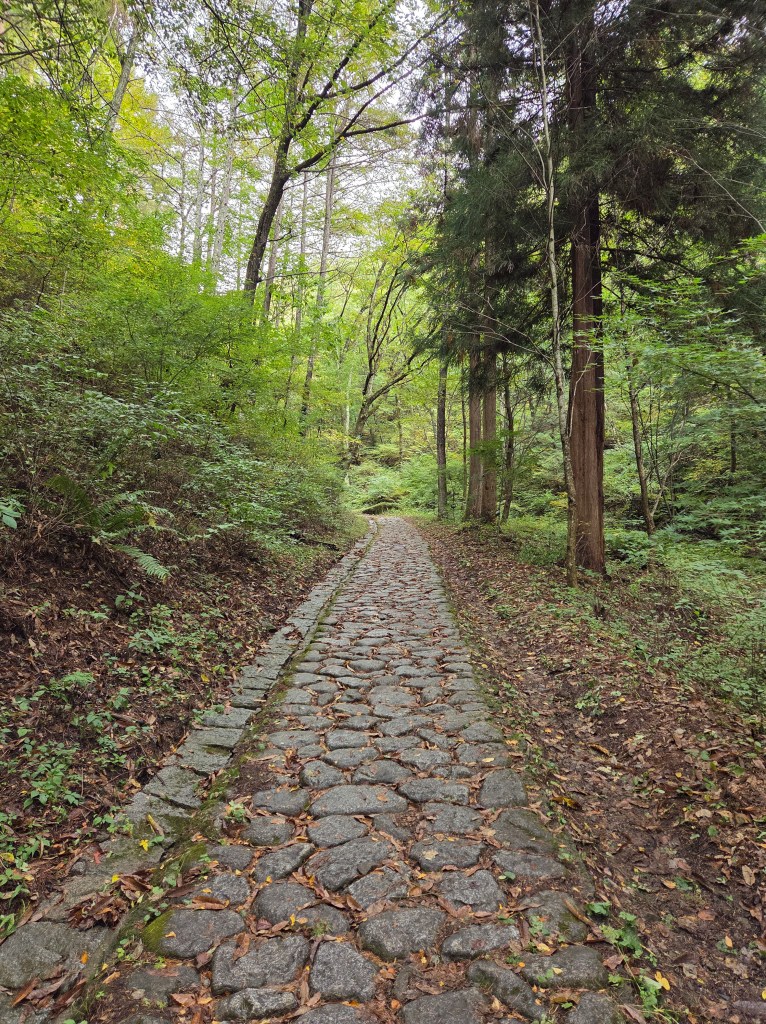
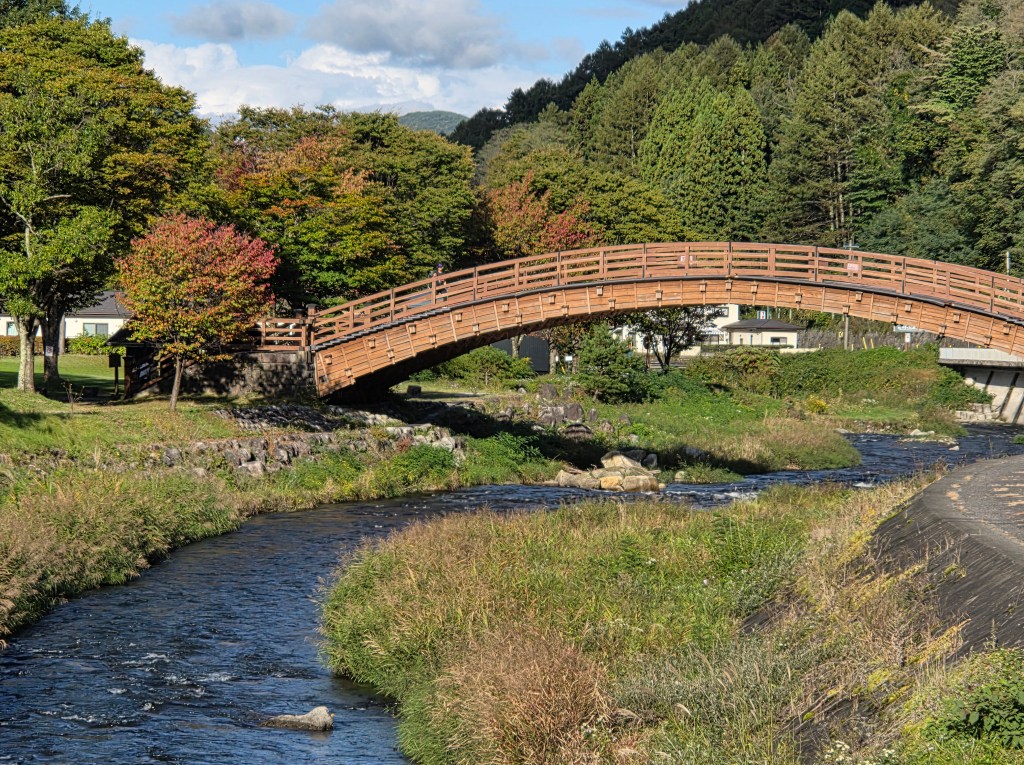
If you aren’t a hiker, take the train to Narai. The historic town is not to be missed. Plan to spend a couple of hours strolling through the town, perhaps with lunch. There are historic houses to tour and fun shops to visit. Be sure to see the Kiso Ohashi Bridge, too. It is over 300 years old and is one of Japan’s largest arched bridges.
Takayama (Six Nights)
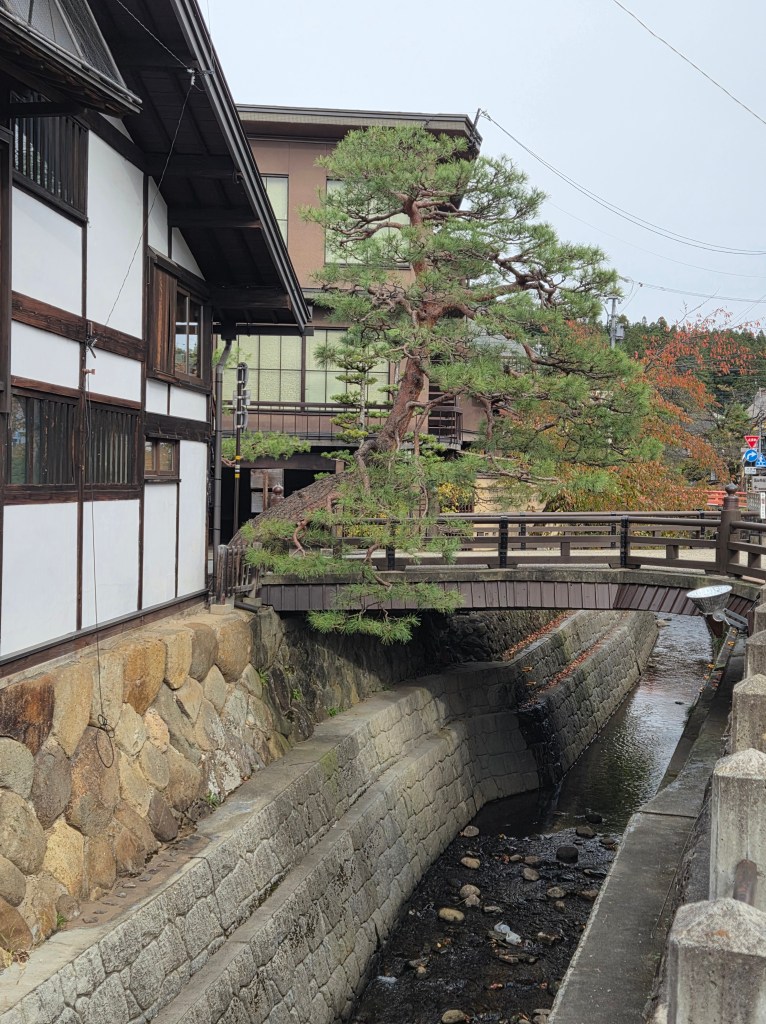
Takayama has much to offer! If you only have time for one stop in this region of Japan, I feel like Takayama is it. It is a fun, cute, walkable town with tons of opportunities packed into a compact space. There are two daily morning markets, so you can pick the one that is closest to your hotel. You will find fresh produce, packaged and freshly made foods, and crafts at the markets.
Again, be sure to stop at the tourism office, right in front of the train station. You will want to get the town map that shows all the main sights and walking routes. There are numerous temples and shrines to see, a walkable historic district, several museums, and a cat café/adoption center.
Day Trips from Takayama:
Shirakawa-Go and Ainokura Village: I opted for a bus tour to these two sites. Shirakawa-Go is the larger and more well-known of the two, but I preferred Ainokura because it was much less crowded. There are Gassho (thatched roof) houses throughout the region. If you are pressed for time, you can go to the open-air museum in Takayama.
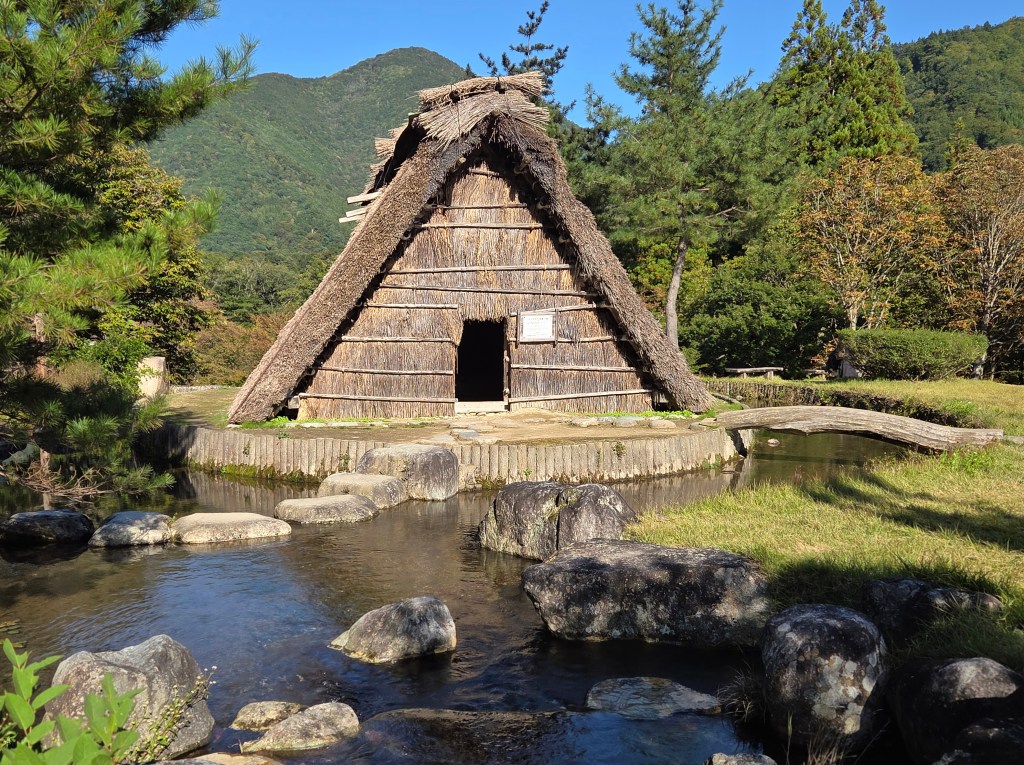
Hida Furukawa: This town, which is much smaller than Takayama, is a short 20-minute train ride away but worth a visit if you have time. There are a few gems like canal street and the Festival Exhibition Hall. I visited in the morning, had lunch, and was back in Takayama for the afternoon.

(You can also get to Kamikochi from Takayama if you decide to skip Matsumoto.)
Kanazawa (Four Nights)
This is the one destination that I planned perfectly. Kanazawa is a medium-sized city close to the Sea of Japan. I feel like it is an up-and-coming place, partly because it was added to the Shinkansen route late in the game. I absolutely loved Kanazawa and am so happy it was part of my itinerary. After spending nearly two weeks in the Japanese Alps region, it felt fresh and modern without being too busy or crowded.

The main sights in Kanazawa are in a rather compact zone, all of which can be reached by two ingenious tourist bus loops that start at the train station.
When you arrive, pick up a map at the tourist information center in the train station. There was also a nicely designed newspaper made especially for English-speaking tourists.
Some of the top sights in Kanazawa are Kanazawa Castle, Kenrokuen Garden (one of the top three gardens in Japan), Omicho Market, Nagamachi Samurai District, three geisha districts, temple areas, and a museum district including the 21st Century Museum of Contemporary Art and my favorite, the D.T. Suzuki Museum.
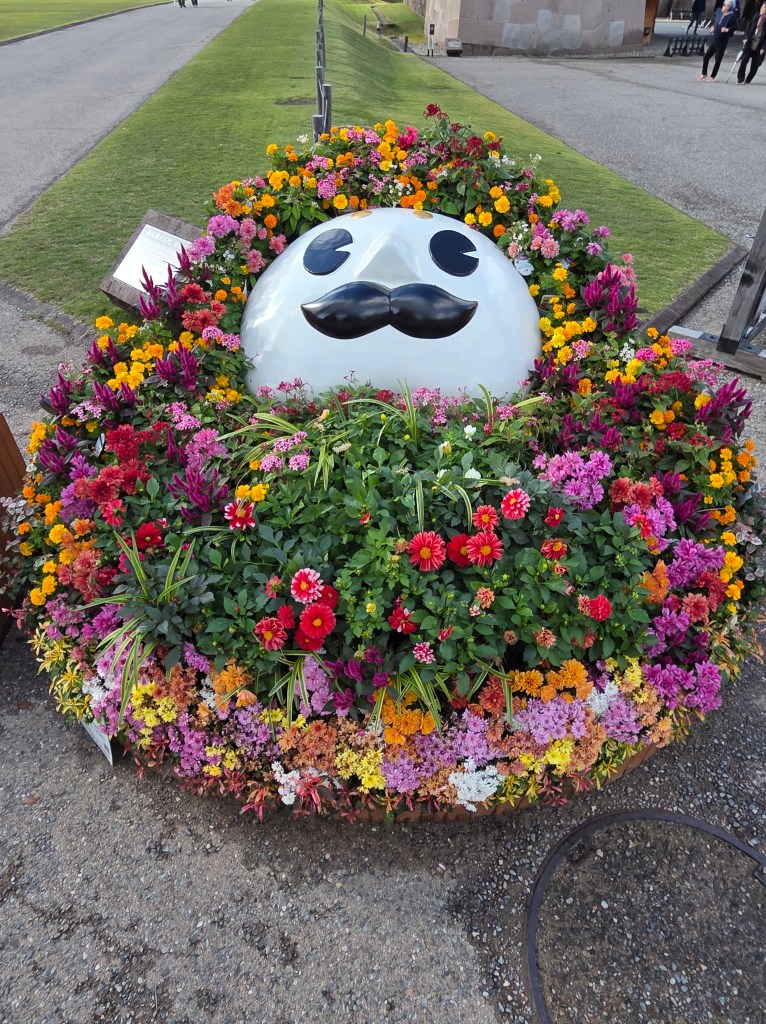
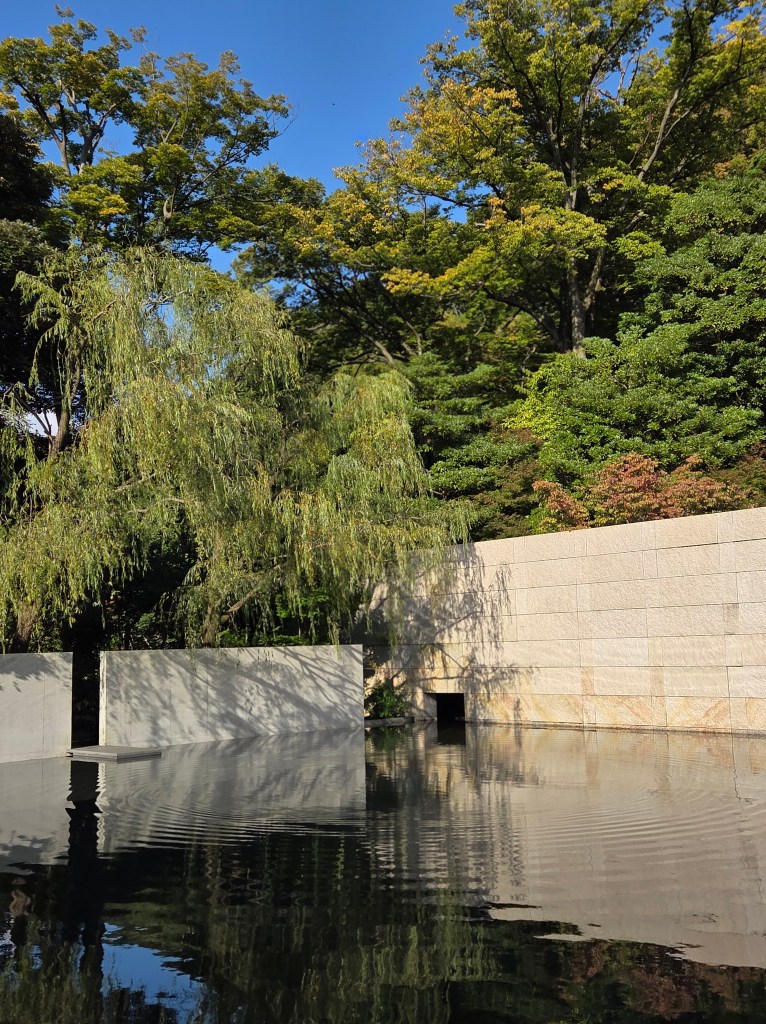
Kanazawa is a great place to eat, too! I have Celiac Disease, but for a city of its size, there were several dining options for me. For those without dietary restrictions, it seemed to be a foodie haven. You could spend days eating your way through Omicho Market!
Kyoto (Eleven Nights)
Most people wouldn’t spend a week and a half in one place, but remember, I’m a slow traveler. I also thought I might be taking day trips to Nara, Lake Biwa, or Osaka. (However, I didn’t.) In the end, I didn’t quite see everything on my list, and I found some extra treasures along the way.
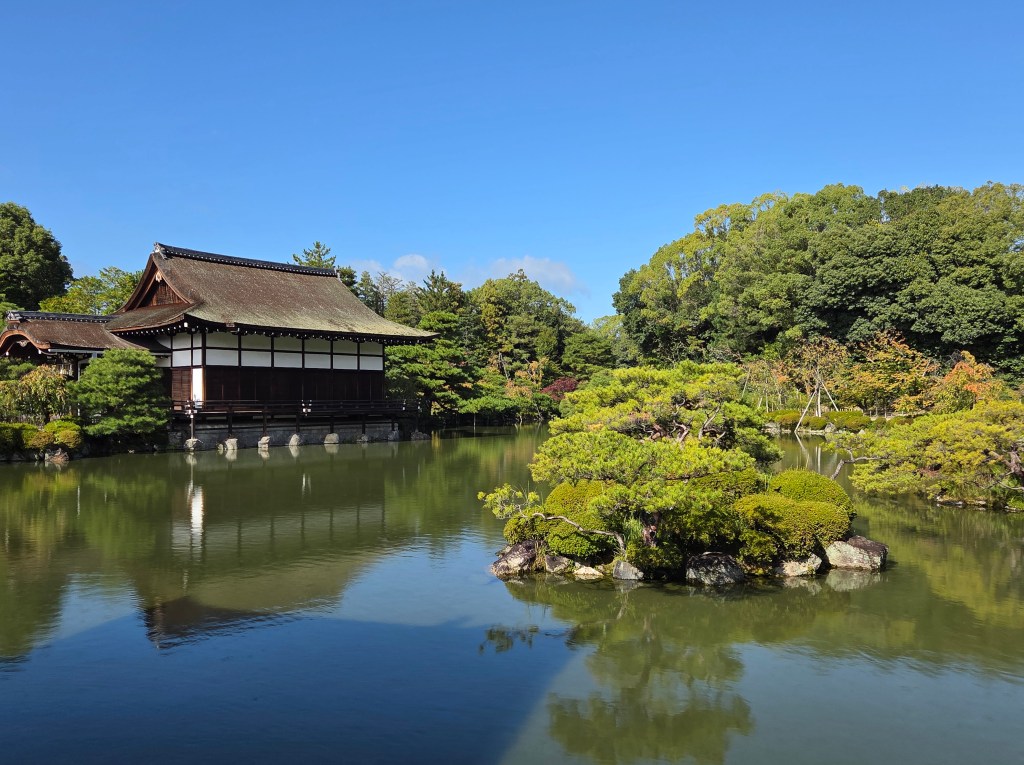
For me, Kyoto was the best place in Japan. I love history and nature, making Kyoto my kind of place. There are also 14 UNESCO World Heritage Sites in the city! Additionally, it is surrounded by mountains. A day trip up to Mount Kurama is a must. The Kyoto Botanical Garden has Japan’s largest collection of plants, and the conservatory alone is worth the trip. Philosopher’s Path is another must-do. Even though I’m not a big shopper, I loved walking through Nishiki Market and some of the other covered pedestrian streets. And museums, so many museums. The list goes on…
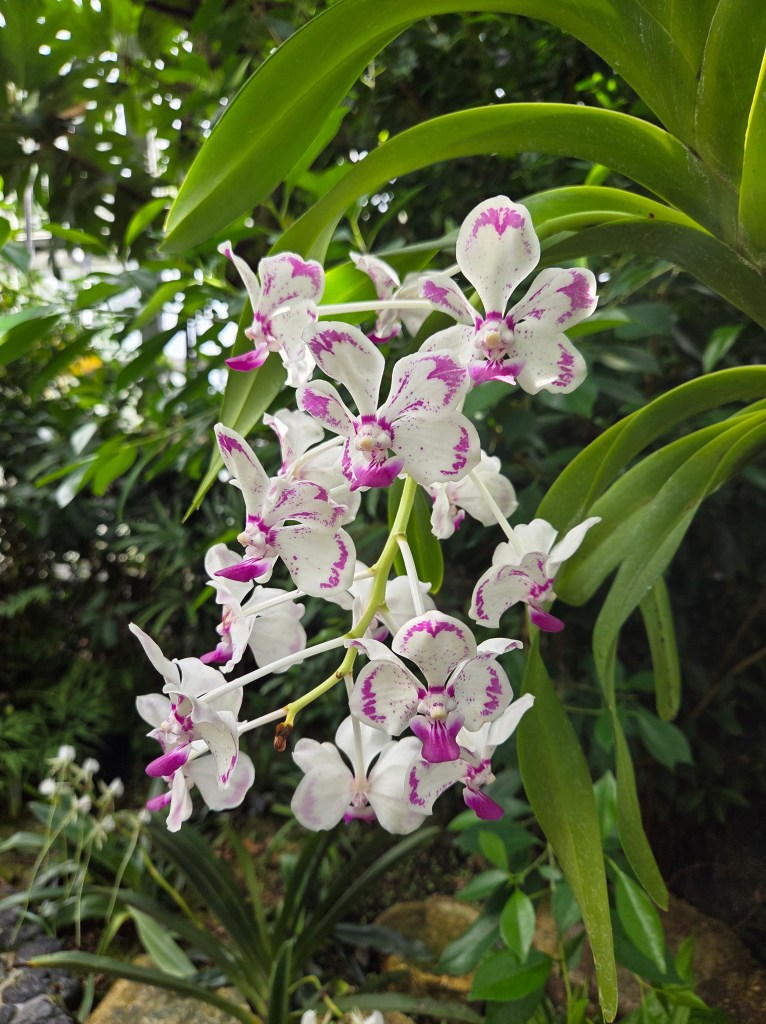
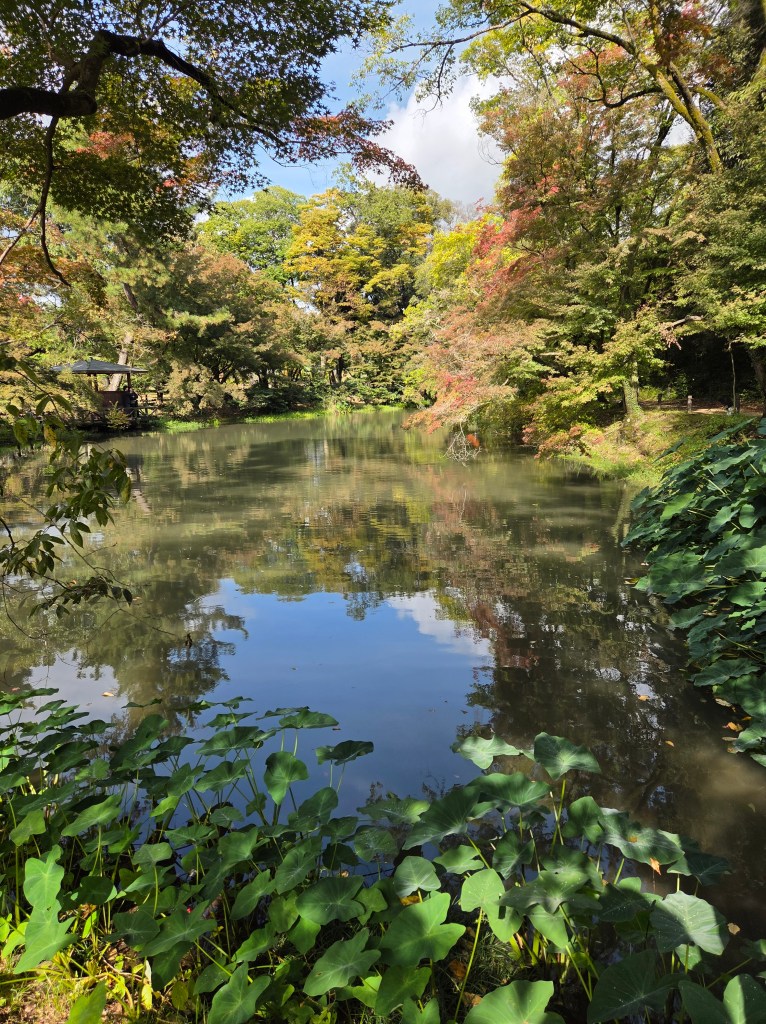
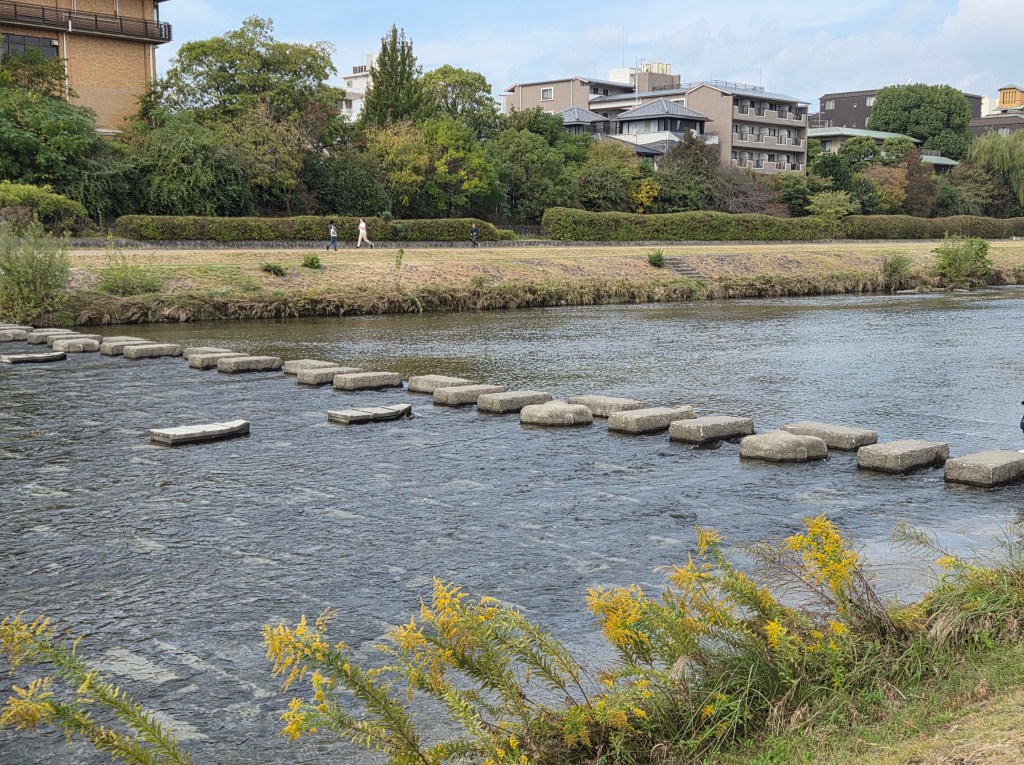
Kyoto was the city where I most fully felt like I was experiencing Japan. I stayed in a hotel that was located between the Kamo River and Kyoto Gyoen National Garden. It was a bit north of the heavily touristed areas of central Kyoto, but I had easy access to buses and trains. I was hanging out with locals and college kids. People seemed more laid back, and I engaged in more conversations with locals. I often took evening strolls along the Kamo River, and I even experienced a shiatsu massage.
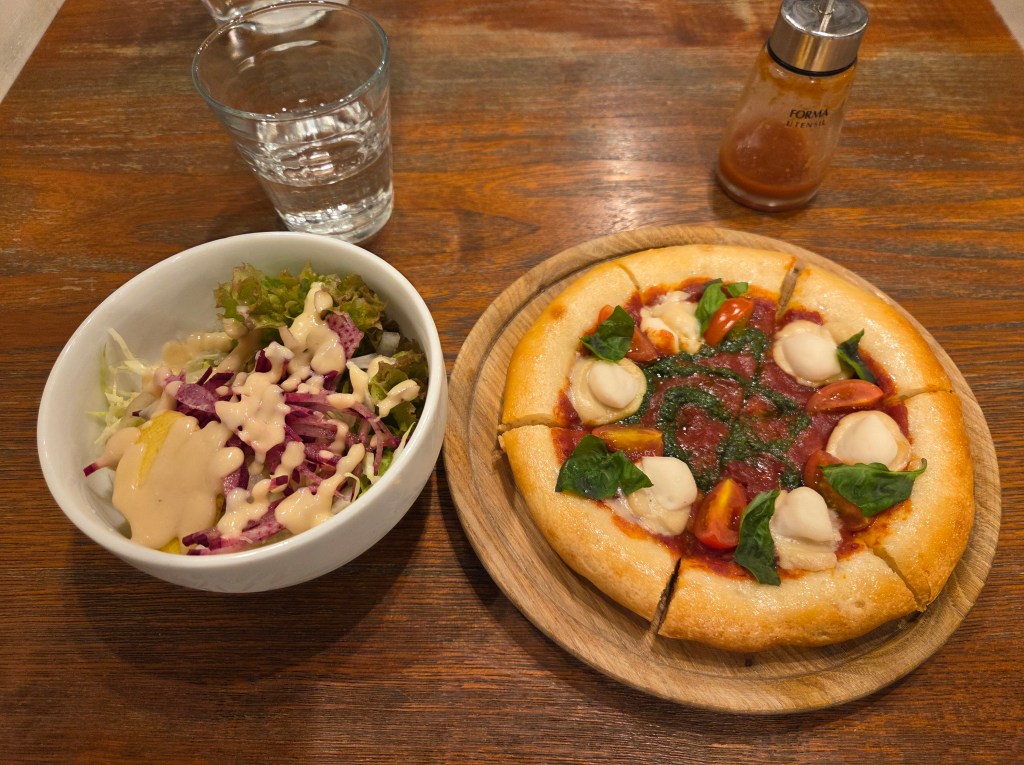
For anyone else out there who suffers from Celiac Disease, Kyoto is the place to go in Japan. I ate lunch out every day and didn’t even make it to all the restaurants on my list. Perhaps it is the number of expats and foreign college students in the city who have influenced this shift. I’m not sure, but it was nice to find a selection of places to eat.
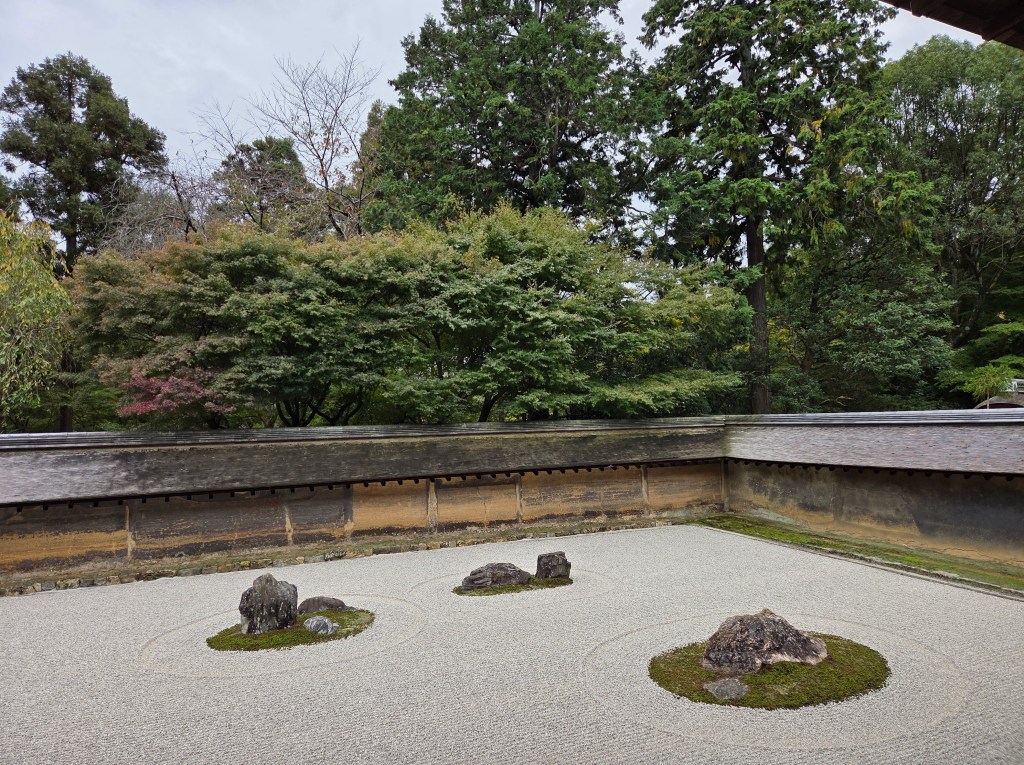
All in all, I’m very happy with my Central Japan experiences. If you’ve never been, I suggest adding it to your travel wish list. Happy travels!
 Wandering Shannon